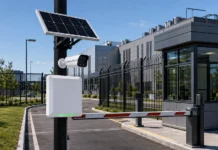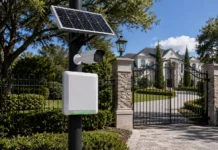
Residential Gate Access Control Systems help HOA communities, apartment complexes, gated communities, condominiums, multi-family properties, and private residences control vehicle entry at gates, barrier arms, garage entrances, and controlled driveways.
Request a Residential Gate Access Quote
Configure Your Residential Gate System
Fresh USA designs residential gate access control systems around the actual property: the number of entrances, lane layout, resident traffic, visitor workflow, gate operator, number of vehicles, required access methods, and whether the property needs simple standalone control or software-managed records and event history.
Residents, guests, vendors, contractors, property managers, and service vehicles do not all need to use the same access method. A practical residential gate system can combine automatic resident vehicle entry with keypad, intercom, temporary access, or staff-approved visitor entry where required.
Choosing a Residential Gate Access Control System
The right residential gate access control system depends on how the property actually operates. A private driveway may only need simple authorized vehicle entry. An HOA or apartment community may need resident credentials, guest access, move-in and move-out administration, event history, multiple lanes, and separate entry and exit control.
- Private residential gates: simple authorized vehicle or resident entry.
- HOA communities: resident access, credential management, guest and vendor rules, and optional event history.
- Gated communities: fast daily resident entry with controlled visitor, delivery, and contractor access.
- Apartment complexes: tenant parking access with practical visitor and property-management workflows.
- Condominiums and multi-family properties: resident vehicle control for gates and parking garages.
- Multi-lane entrances: separate entry and exit control with lane-specific monitoring.
Residential Gate Access Control Systems for HOA, Apartments and Gated Communities
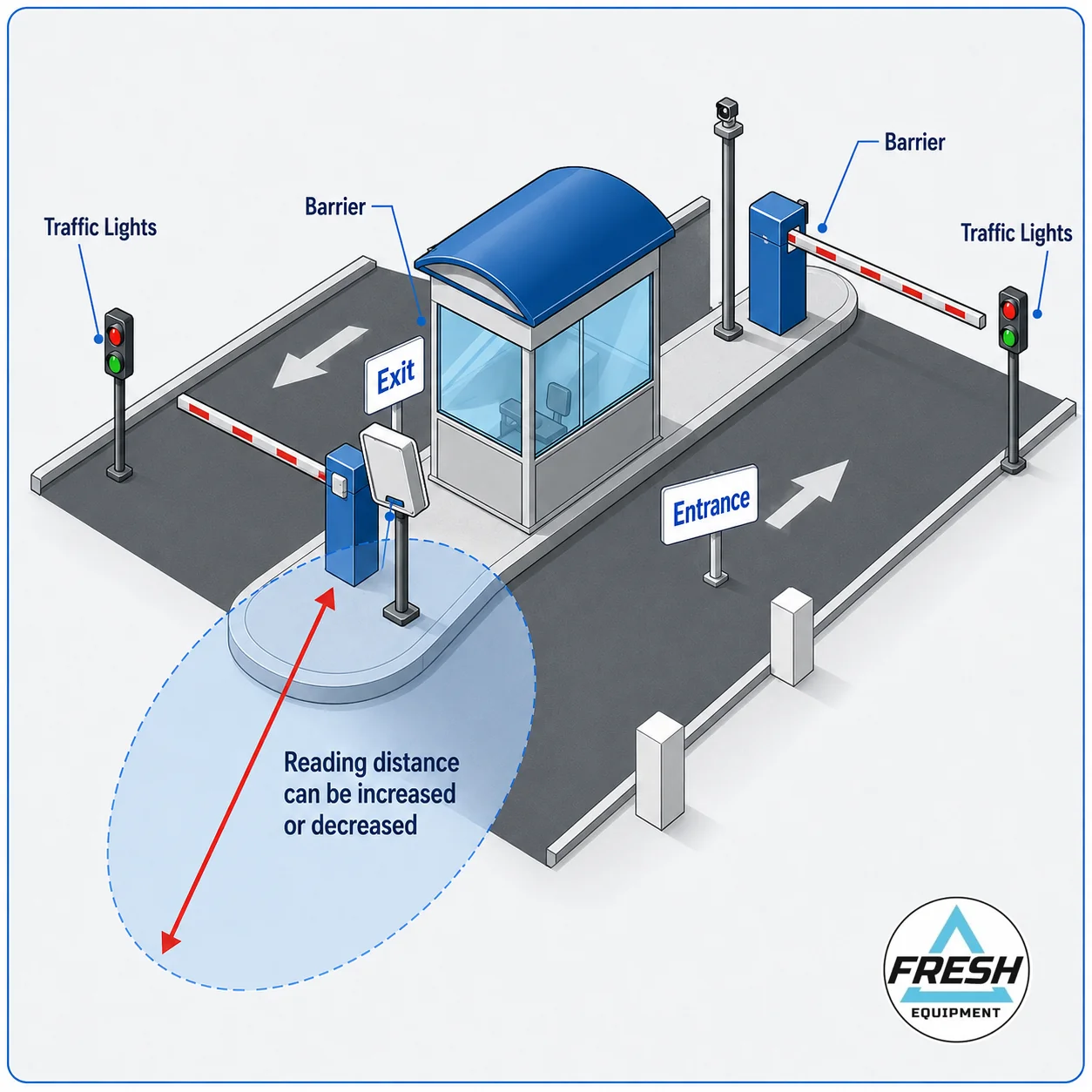
A residential gate access control system acts as the vehicle front door of the property. It controls entry before a vehicle reaches homes, resident-only roads, parking areas, garages, private amenities, or other restricted residential areas.
For property managers and HOA boards, the most useful system is usually one that makes daily resident entry convenient while still giving management control over active credentials, visitor workflows, and changes in occupancy. Residential gate access control systems can be scaled from one private entrance to multiple community gates while keeping the same resident-access logic.
Common residential access needs
- Fast recurring entry for residents and tenants
- Simple credential activation and removal during move-ins and move-outs
- Controlled access for guests, deliveries, vendors, and contractors
- Separate rules for residents, staff, maintenance, and service vehicles
- Entry and exit records when management needs an event history
- Compatibility with an existing swing gate, slide gate, barrier arm, or garage operator
- Local operation without a mandatory monthly Fresh USA software subscription
Resident, Guest and Vendor Access
A strong residential gate system uses the access method that best fits each user group instead of forcing every vehicle through the same process.
| User Type | Common Access Method | Typical Purpose |
|---|---|---|
| Residents / Tenants | Vehicle credential, access card, key fob, or other assigned credential | Fast recurring daily entry |
| Guests | Intercom, keypad, temporary credential, or staff-approved entry | Controlled short-term access |
| Vendors / Contractors | Scheduled credential, PIN, temporary access, or management approval | Time-limited service access |
| Property Management | Software-managed credentials and event records | Administration, audits, move-ins, move-outs, and incident review |
Standalone vs. Software-Managed Residential Gate Access
Standalone Residential Gate Access
Standalone residential gate access control systems are useful when the property needs a simple authorized / unauthorized vehicle workflow and does not require a centralized event history or detailed resident database. This can be a good fit for private homes, small residential properties, and simple gate entrances.
Software-Managed Residential Gate Access
A software-managed system is more suitable when an HOA, apartment complex, condominium, or gated community needs resident records, vehicle assignments, schedules, event history, reporting, or easier credential administration.
- Add, edit, suspend, and remove resident vehicle credentials
- Assign credentials to residents, tenants, staff, or authorized vehicles
- Review access events and denied attempts
- Manage multiple gates, entrances, or readers
- Use local Windows software with a lifetime license option
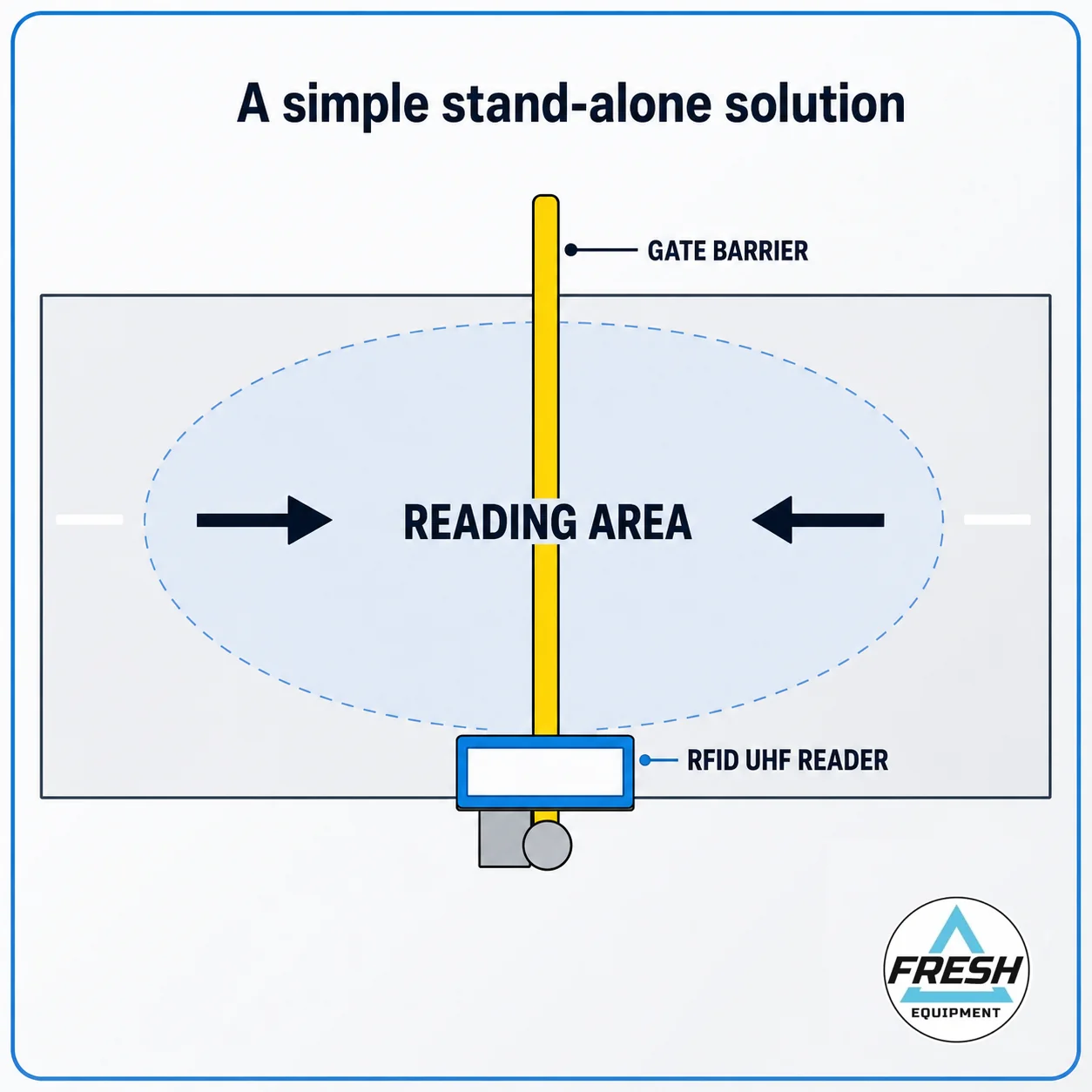
Residential Gate Access Control System Options
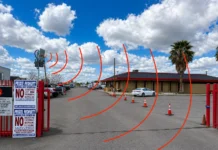
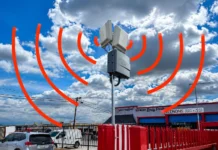
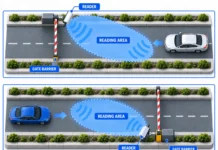
Fresh USA can configure short-, medium-, and long-range vehicle access according to lane geometry, vehicle approach, mounting position, traffic flow, and the desired reading area.
| Approx. Range | Best Use Case | Residential Example |
|---|---|---|
| 13 ft / 4 m | Short approach, narrow lane, slower vehicle movement | Private gate, small HOA entrance, tight apartment driveway |
| 26 ft / 8 m | Balanced long-range access for many residential gates | Gated community, apartment parking gate, resident-only lane |
| 50 ft / 15 m | Earlier detection where lane design and site conditions support it | High-traffic HOA entrance or wider approach lane |
How Residential Gate Access Control Works
- A resident or vehicle receives an authorized credential.
- The vehicle approaches the controlled residential entrance.
- The selected access device identifies or receives the credential.
- The system checks whether access is allowed.
- The compatible gate or barrier operator receives an open signal.
- In a software-managed configuration, the event can be recorded for later review.
The access method can vary by project. Options can include vehicle-mounted credentials, access cards, key fobs, keypads, intercoms, mobile or remote-entry methods, and other compatible devices.
Hands-Free Vehicle Entry for Residents
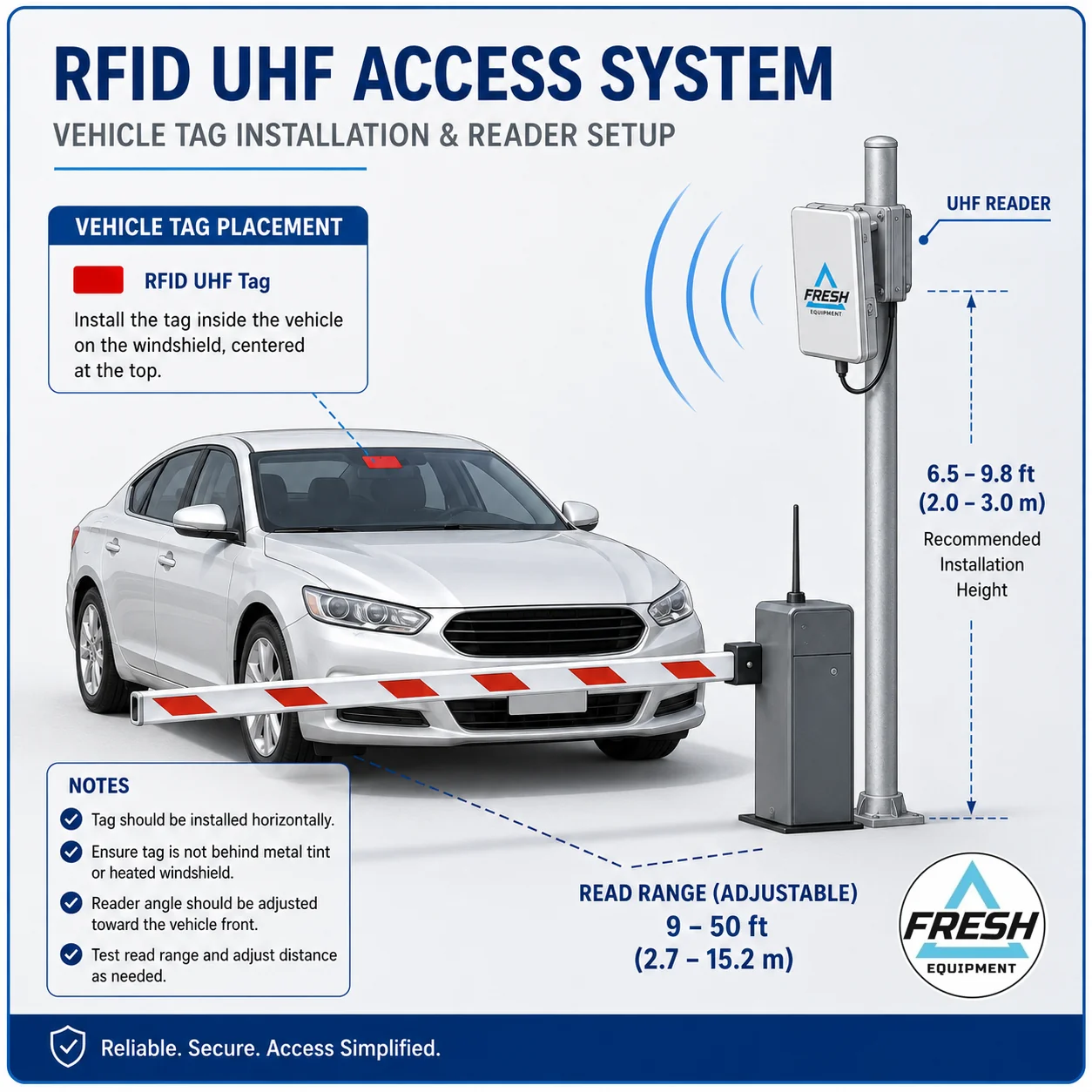
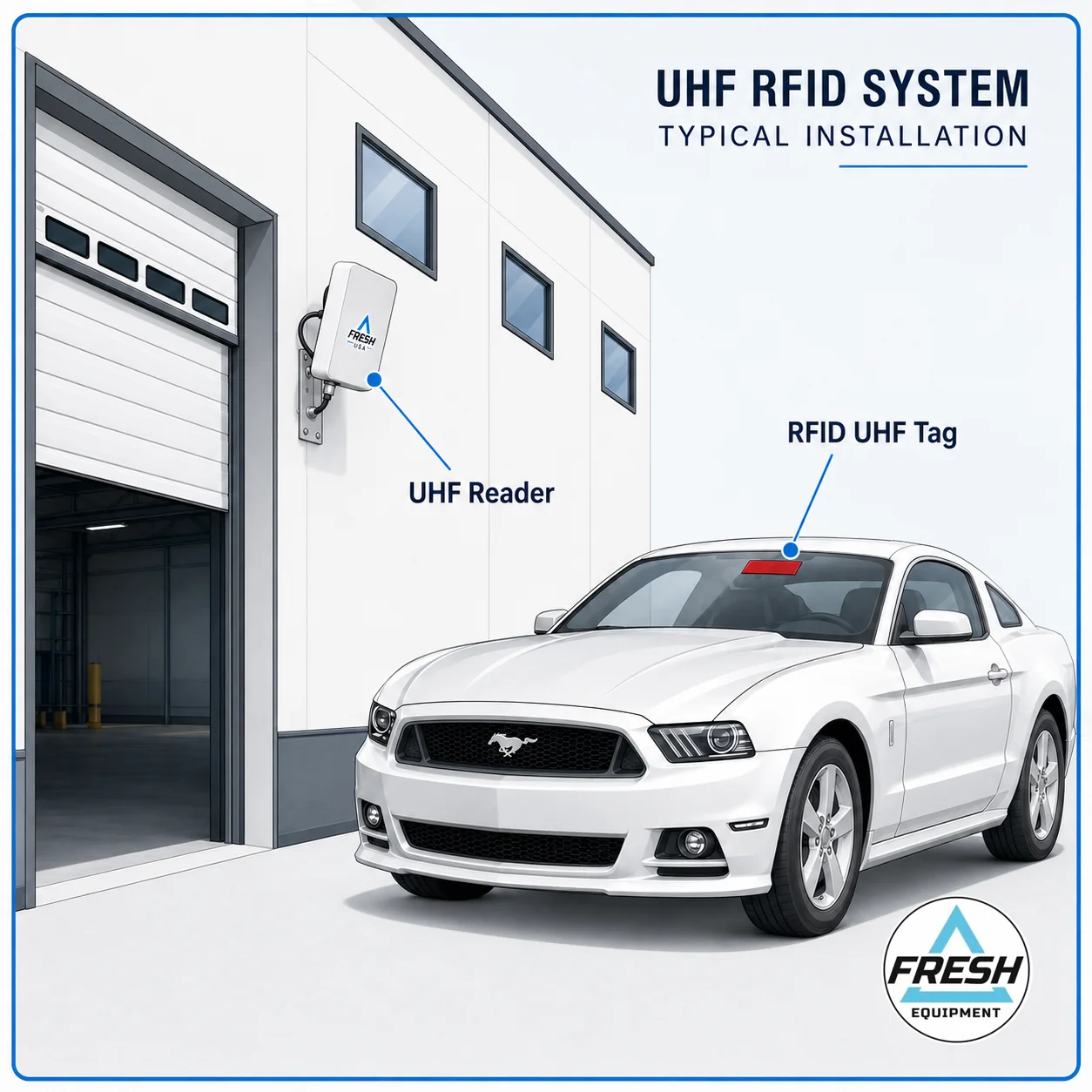
For recurring resident traffic, residential gate access control systems from Fresh USA can provide hands-free vehicle entry using long-range RFID UHF windshield tags or other compatible credentials. This allows an authorized vehicle to be identified automatically as it approaches the gate without requiring the resident to stop, roll down a window, enter a code, or press a remote.
RFID UHF is one available technology within a broader residential gate access control system. It is particularly useful where the same resident vehicles enter and exit every day and the property wants fast, automatic vehicle identification.
Benefits for recurring resident vehicles
- Hands-free entry for authorized vehicles
- Individual credentials that can be added, replaced, or revoked
- Long-range options for different lane layouts
- Faster traffic flow during busy arrival periods
- Compatibility with software-managed resident records
- Local operation with no mandatory Fresh USA monthly software subscription
Download Gate Access Control Software
Residential Gate Access Methods Compared
| Access Method | Best For | Typical Limitation |
|---|---|---|
| Keypad | Guests, vendors, backup access | Shared codes can reduce control if not managed carefully |
| Intercom | Visitors and deliveries | Less convenient for high-frequency resident traffic |
| Remote / Mobile Entry | Property management and selected users | May depend on phone use, connectivity, or third-party service |
| Long-Range Vehicle Credential | Recurring resident vehicles | Requires proper reader placement and controlled lane design |
Reader Placement and Installation
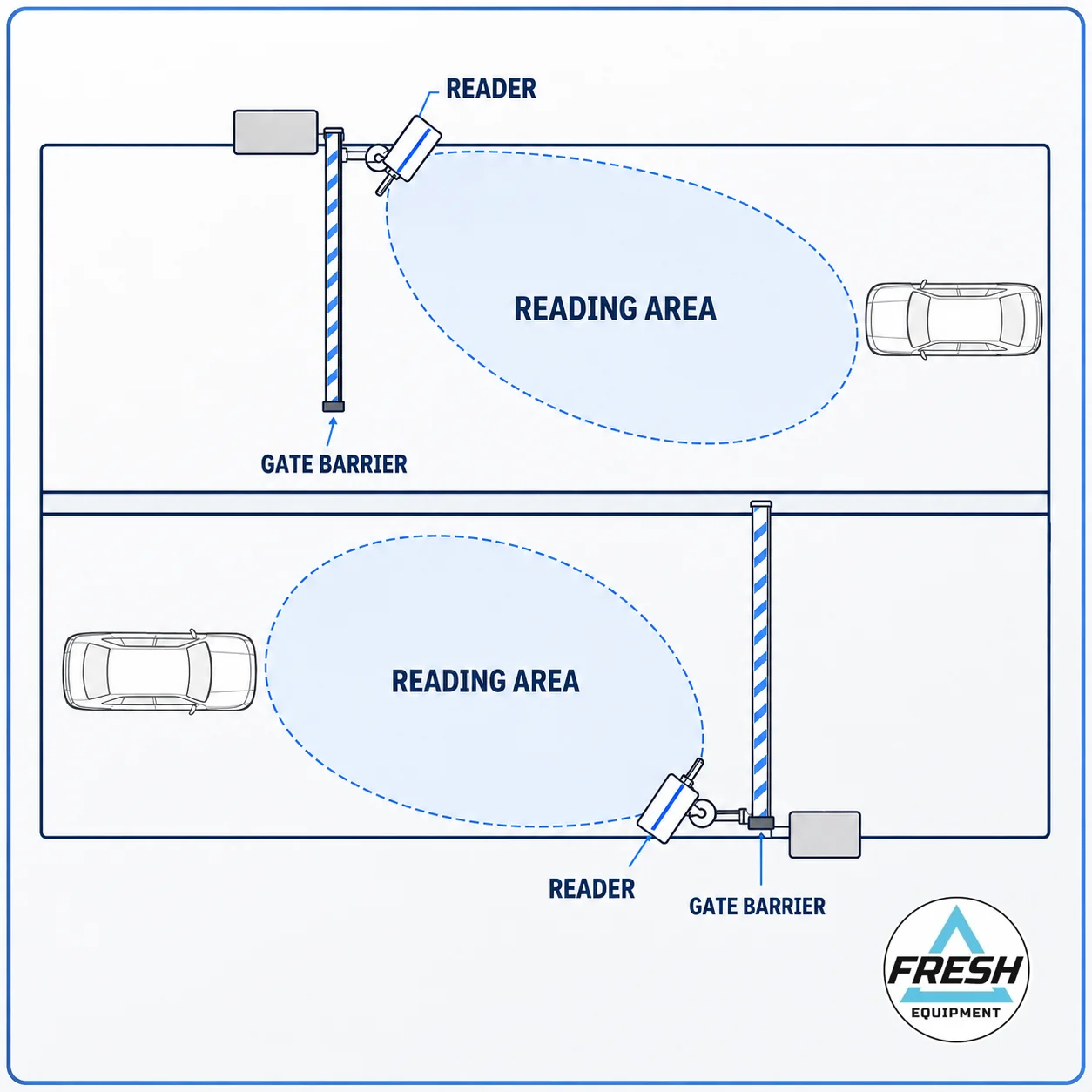
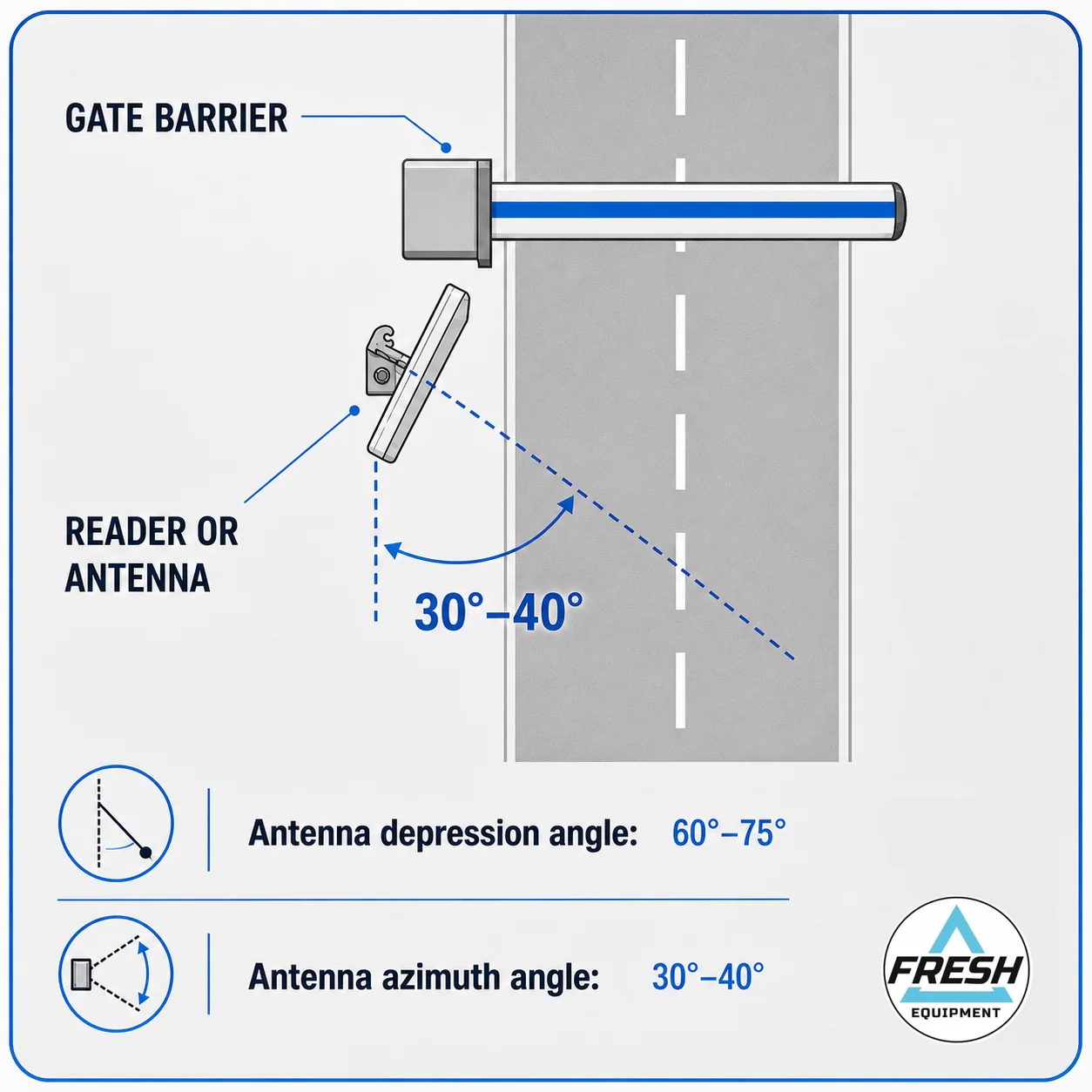
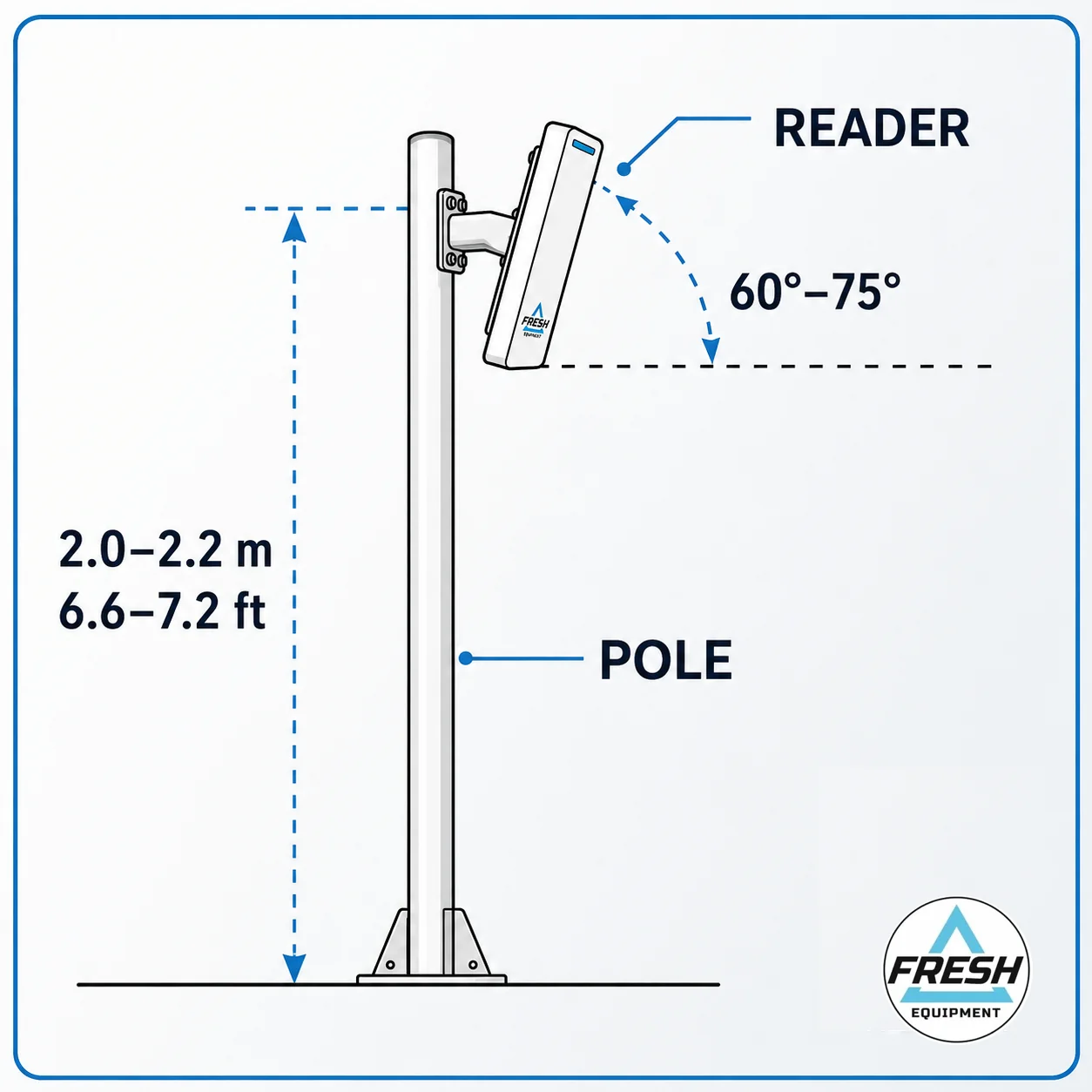
Correct reader placement is important for any automatic residential vehicle access system. Mounting position, lane width, vehicle approach, reader angle, windshield position, nearby lanes, and the desired detection area all affect performance.
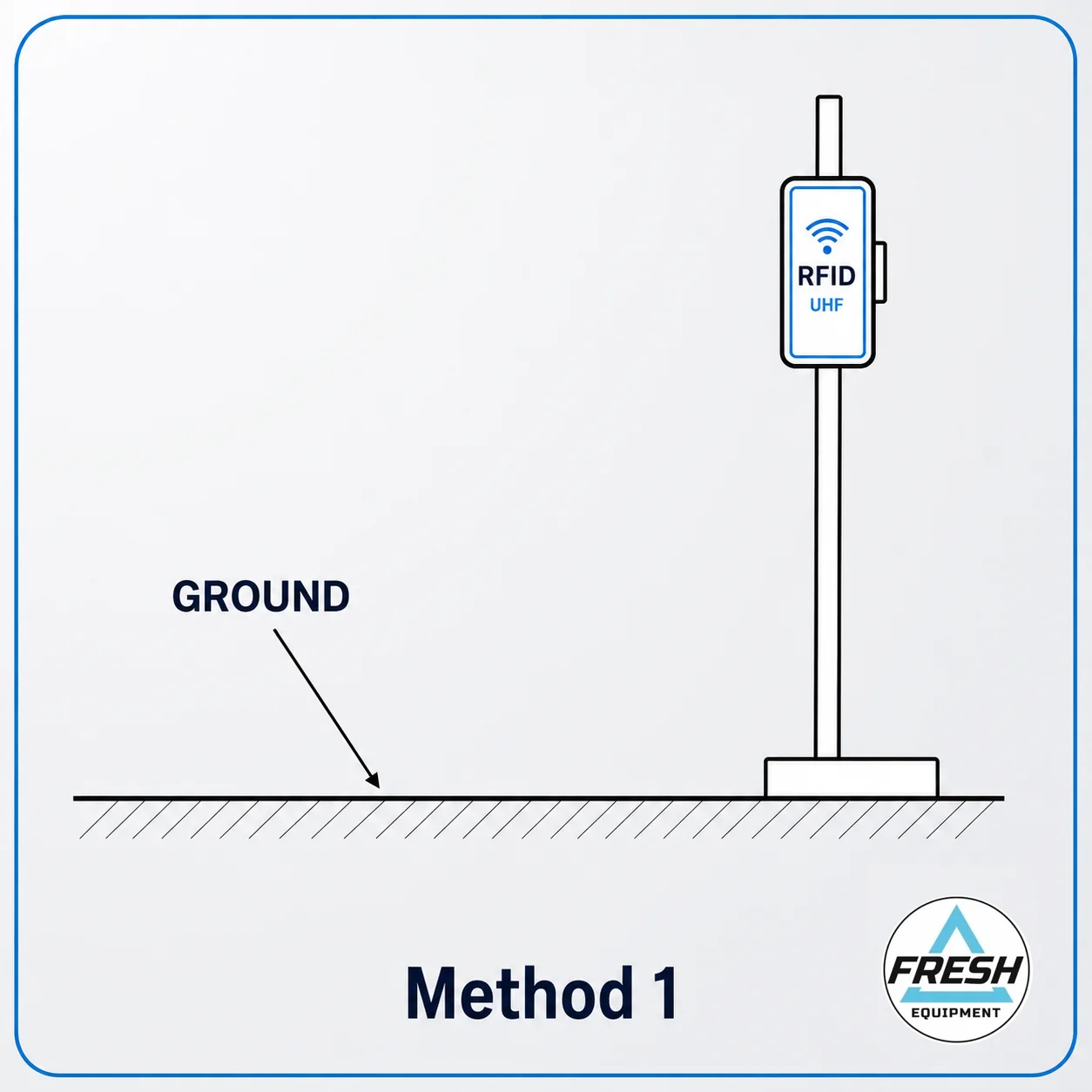
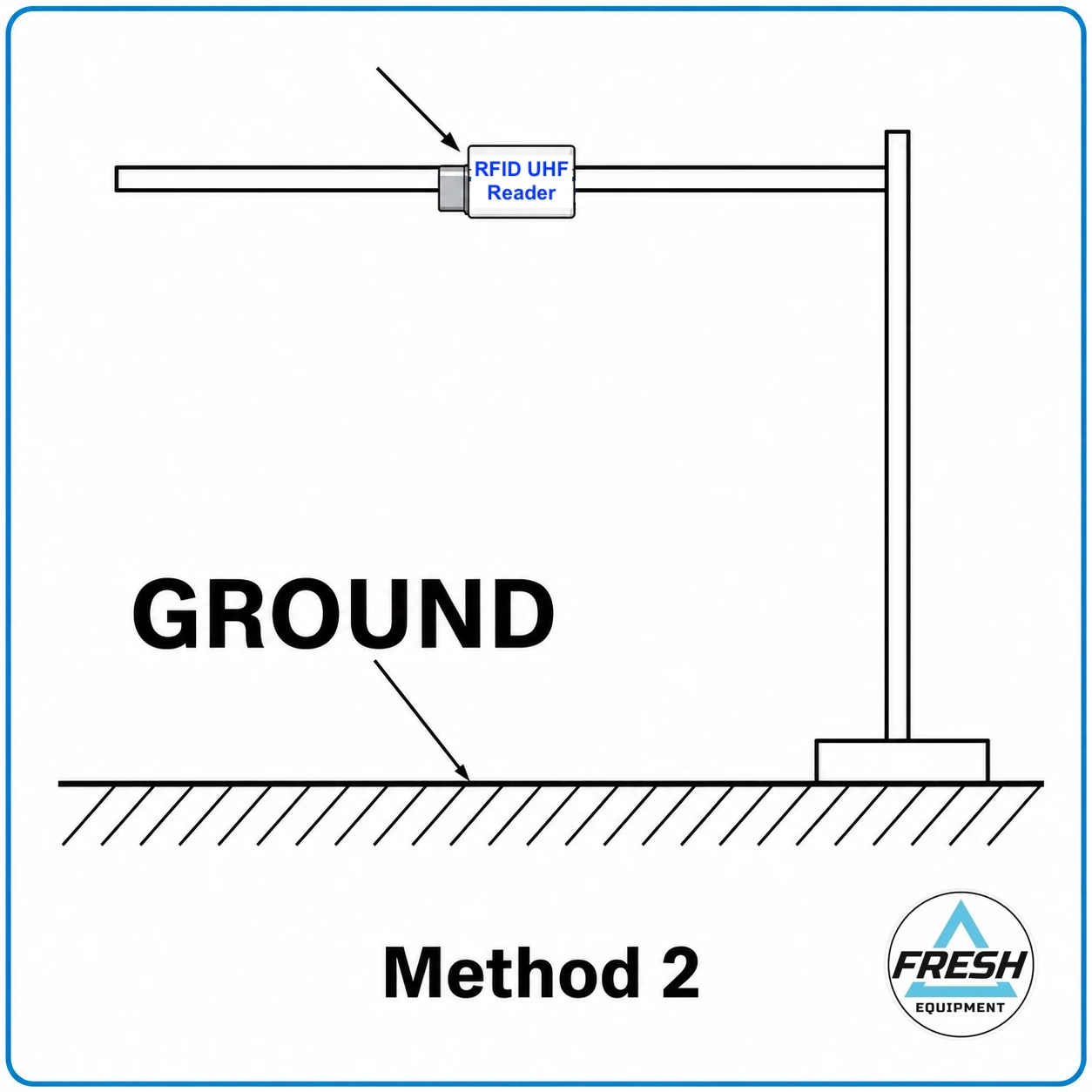
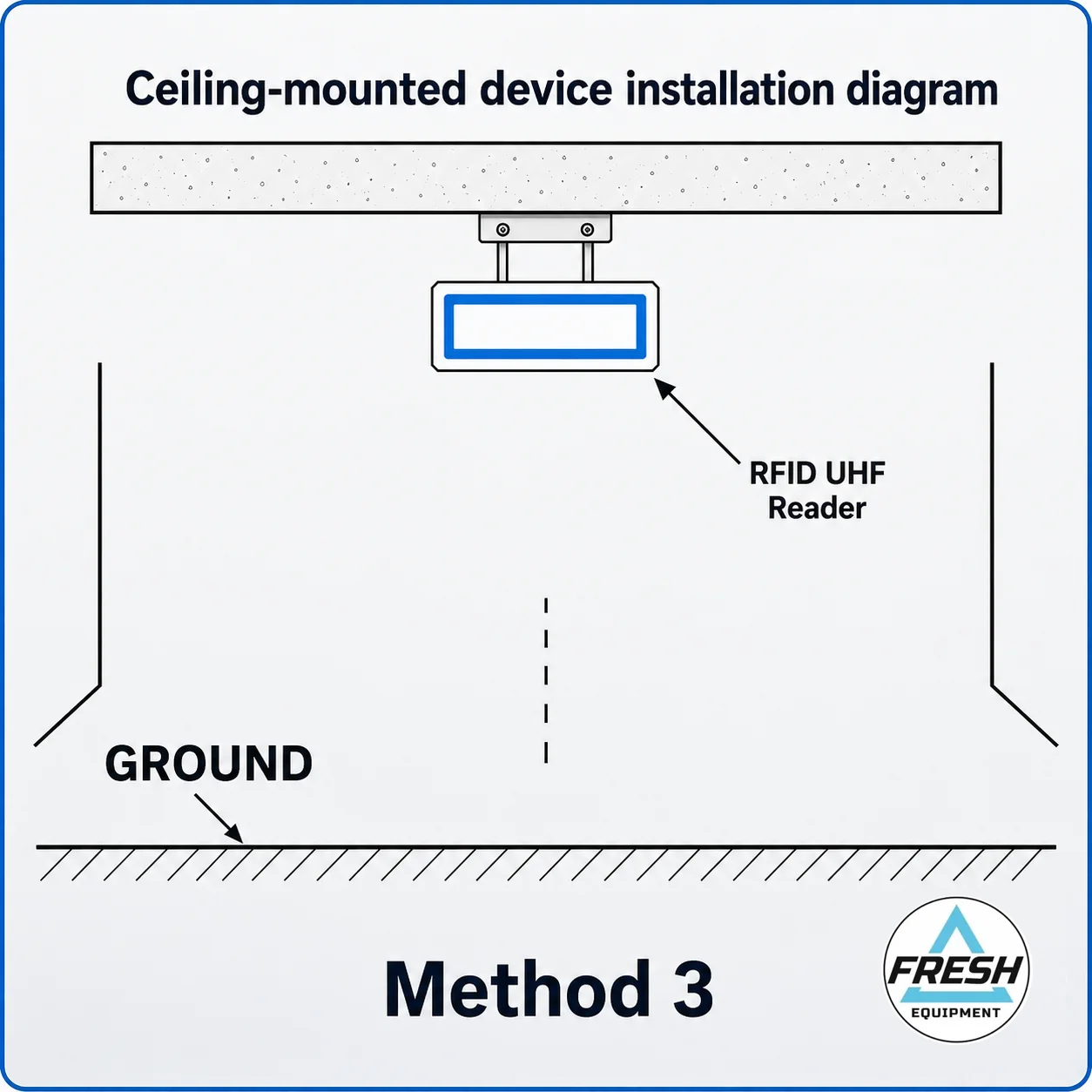
The goal is not simply to create the longest possible reading distance. The goal is to create a controlled access zone that identifies the correct vehicle at the correct residential entrance.
Residential Gate Access Control Installation Checklist
For an accurate recommendation, send Fresh USA the basic site information below:
- Property type: HOA, apartment, gated community, condominium, private residence, or residential parking entrance
- Gate type: swing gate, slide gate, barrier arm, garage entrance, or other controlled gate
- Number of entry and exit lanes
- Lane width and available mounting locations
- Typical vehicle approach direction and speed
- Existing gate operator brand and model if available
- Approximate number of residents and vehicles
- Need for guest, vendor, contractor, or delivery access
- Need for standalone or software-managed operation
- Need for event history, reports, cameras, keypad, or intercom
Send Gate Photos and Request a Quote
Configure & Estimate Your Gate System
Why Choose Fresh USA for Residential Gate Access Control?
- Standalone and software-managed options for different residential property sizes
- Resident, guest, vendor, and staff workflows that can be matched to the actual property
- Hands-free long-range vehicle access available for recurring resident traffic
- Local Windows software with lifetime license options and no mandatory Fresh USA monthly software fee
- Compatibility review for existing gates and barrier operators
- Scalable designs that can expand to additional entrances, readers, or management functions
- Technical guidance for reader placement, credential selection, and installation planning
Download Vehicle Access Control User Manual (PDF)
Frequently Asked Questions About Residential Gate Access Control Systems
What is a residential gate access control system?
A residential gate access control system controls which vehicles or users are allowed to enter a residential property through a gate, barrier arm, garage entrance, or private driveway checkpoint.
What is the best gate access method for residents?
The best method depends on the property and traffic pattern. Recurring resident vehicles often benefit from automatic long-range identification, while guests and vendors may be better served by keypad, intercom, temporary credentials, or staff-approved entry.
Can a residential gate system work without monthly software fees?
Yes. Fresh USA offers local software with a lifetime license option and no mandatory monthly Fresh USA software subscription.
Can the system work with an existing residential gate or barrier arm?
In many projects, yes. Fresh USA can review the existing gate operator and controller to determine whether it supports compatible external access control triggering.
Can the system support both residents and visitors?
Yes. Resident vehicles can use recurring credentials, while guests, deliveries, vendors, and contractors can use separate temporary or approved access methods.
Is this suitable for HOA and gated community access control?
Yes. HOA and gated community projects can combine resident vehicle access, credential management, guest and vendor workflows, multiple entrances, and optional event history.
Is this suitable for apartment gate access control?
Yes. Apartment properties can use the system for tenant vehicles and combine recurring resident access with separate visitor, delivery, staff, and contractor workflows.
What information should I send for a quote?
Send photos of the entrance, property type, number of lanes, gate type, approximate number of resident vehicles, preferred access methods, and whether the property needs standalone control, software management, event history, visitor access, cameras, keypad, or intercom.
Request a Residential Gate Access Control Quote
Fresh USA can recommend residential gate access control systems based on your property type, gate, lane layout, number of resident vehicles, visitor workflow, required access methods, and management needs.