Prices / Buy Systems Request a Quote
Software Download VIDEO / How It Works
Warehouse theft prevention is the process of reducing unauthorized removal of inventory, tools, equipment, pallets, containers, returnable assets, and valuable materials from warehouse doors, loading docks, employee exits, stockrooms, tool rooms, restricted zones, outdoor yards, and remote storage areas.
A strong warehouse theft prevention plan should not rely on only one method. Cameras, access control, lighting, employee procedures, inventory audits, alarms, and RFID detection all play different roles. Fresh USA helps warehouses add an RFID UHF-based theft prevention layer that can detect tagged assets, trigger alarms, create event records, support inventory visibility, and optionally send mobile alarm notifications.
This page is a practical guide for warehouse theft prevention strategies and technology. It explains where theft usually happens, how to reduce risk, and how RFID-based systems can support real-world warehouse security.
How to Prevent Warehouse Theft
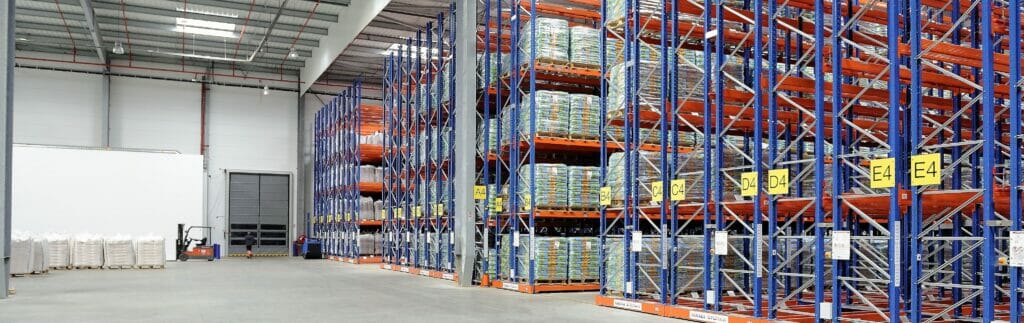
Warehouse theft prevention starts with identifying where inventory, tools, and assets can leave without proper authorization. The best strategy is usually layered: secure the physical building, control who can enter restricted areas, monitor high-risk movement points, verify inventory movement, and create records when suspicious activity occurs.
Fresh USA recommends looking at warehouse theft prevention in practical layers:
- Physical security: locks, fencing, lighting, controlled doors, secured cages, and restricted storage areas.
- Access control: limiting access to warehouse zones, tool rooms, loading docks, gates, and outdoor yards.
- Video surveillance: visual verification for incidents, investigations, and employee accountability.
- RFID detection: automatic detection of tagged items moving through monitored exits or controlled zones.
- Alarm response: sirens, strobes, relay output, and optional mobile alarm notifications.
- Inventory control: regular audits, tagged item databases, event records, and exception reporting.
- Employee procedures: check-in/check-out rules, dock procedures, reporting policies, and supervisor review.
Common Warehouse Theft Risks
Warehouse theft can involve employees, contractors, visitors, vendors, drivers, temporary workers, or unauthorized outside parties. It can also happen when procedures are weak, doors are uncontrolled, inventory is not tracked, or outdoor storage areas are not monitored.
- Internal theft: unauthorized removal of inventory, tools, devices, equipment, or high-value assets by employees or contractors.
- External theft: unauthorized access by visitors, vendors, drivers, or outside parties.
- Loading dock theft: inventory removed during shipping, receiving, staging, or truck loading.
- Employee exit theft: small items, tools, electronics, uniforms, or equipment carried through staff exits.
- Tool room theft: missing tools, devices, machines, returnable assets, or shared equipment.
- Outdoor yard theft: materials, containers, pallets, equipment, or assets moved from open storage areas.
- Inventory substitution: wrong product movement, unauthorized swaps, or undocumented transfers.
- Lack of event records: difficulty proving when and where an asset left a controlled zone.
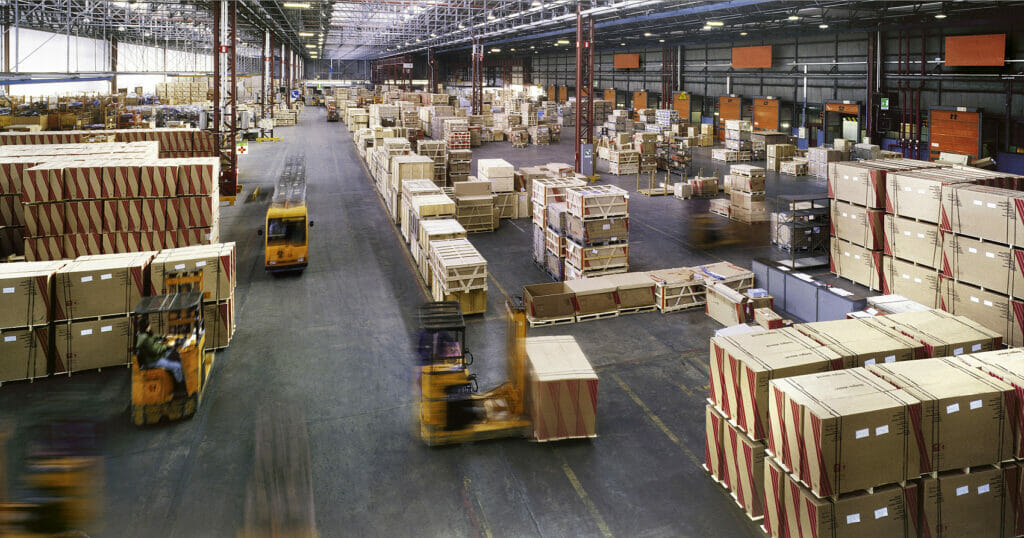
Warehouse Theft Prevention Checklist
Before selecting technology, a warehouse should review the most common theft points and operational gaps. This checklist can help identify where a warehouse theft prevention system may be needed.
- Are loading dock doors monitored during receiving and shipping?
- Are employee exits protected from unauthorized item removal?
- Are tool rooms and high-value cages access-controlled?
- Can supervisors identify when a tagged item leaves a controlled zone?
- Are outdoor yards, temporary storage areas, and remote sites monitored?
- Are security cameras paired with item-level detection or only visual review?
- Are inventory audits performed often enough to catch missing assets quickly?
- Can the warehouse connect alarm events to software records?
- Is there a process for investigating unauthorized movement?
- Are alarms, strobes, relay outputs, or mobile alerts needed for after-hours events?
Internal Theft vs. External Warehouse Theft
Internal and external theft require different prevention methods. Internal theft often requires better access permissions, employee exit monitoring, event logs, inventory accountability, and management review. External theft requires perimeter security, controlled gates, cameras, lighting, intrusion alarms, and monitored access points.
| Risk Type | Common Problem | Recommended Prevention Layer |
|---|---|---|
| Internal theft | Employee or contractor removes inventory, tools, or assets | Access control, RFID detection, audit logs, employee exit monitoring |
| External theft | Unauthorized visitor, driver, or outside party enters storage area | Controlled gates, cameras, lighting, alarms, restricted access |
| Loading dock theft | Products removed during shipping or receiving | Dock procedures, RFID detection, cameras, event records |
| Tool room theft | Tools or devices disappear without records | RFID tags, check-out process, restricted access, inventory audits |
| Outdoor yard theft | Materials, containers, or equipment moved from open storage | Gate control, RFID detection, remote alarm notification, outdoor siren |
High-Risk Areas for Warehouse Theft
Most warehouse theft does not happen randomly. It usually happens at points where inventory moves, people exit, vehicles load, or assets are stored with limited supervision.
- Loading docks: shipping, receiving, staging, and truck loading areas.
- Employee exits: staff doors, side doors, break-room exits, and after-hours passages.
- Stockrooms: controlled inventory storage and back-of-house merchandise areas.
- Tool rooms: shared tools, scanners, tablets, equipment, and reusable assets.
- High-value cages: electronics, parts, devices, expensive materials, or restricted inventory.
- Outdoor yards: pallets, equipment, containers, materials, vehicles, and temporary storage.
- Remote storage areas: industrial yards, construction storage zones, and temporary controlled areas.
- Vehicle gates: entry and exit points where assets may leave the property.
Warehouse Access Control, Cameras, and RFID Detection
Warehouse theft prevention works best when different technologies support each other. Cameras help with visual evidence. Access control limits who can enter restricted areas. RFID detection helps identify tagged item movement. Alarms and mobile notifications help trigger faster response.
Fresh USA does not position RFID as a replacement for cameras. Instead, RFID can add item-level detection to a warehouse security plan. A camera may show a person walking through a dock door, but RFID can help detect that a tagged asset moved through the monitored zone.
| Technology | What It Does Well | Limitation |
|---|---|---|
| Security cameras | Visual evidence and incident review | Usually does not identify tagged inventory by itself |
| Access control | Controls who enters doors, gates, and restricted areas | Does not always detect what item was removed |
| RFID UHF detection | Detects tagged assets moving through monitored zones | Requires correct tag selection, reader placement, and project design |
| Alarm systems | Triggers sirens, strobes, or response actions | Needs clear detection logic to reduce false alarms |
| Software records | Creates event history and supports audits | Must be configured for the real warehouse workflow |
How RFID UHF Helps Prevent Warehouse Theft
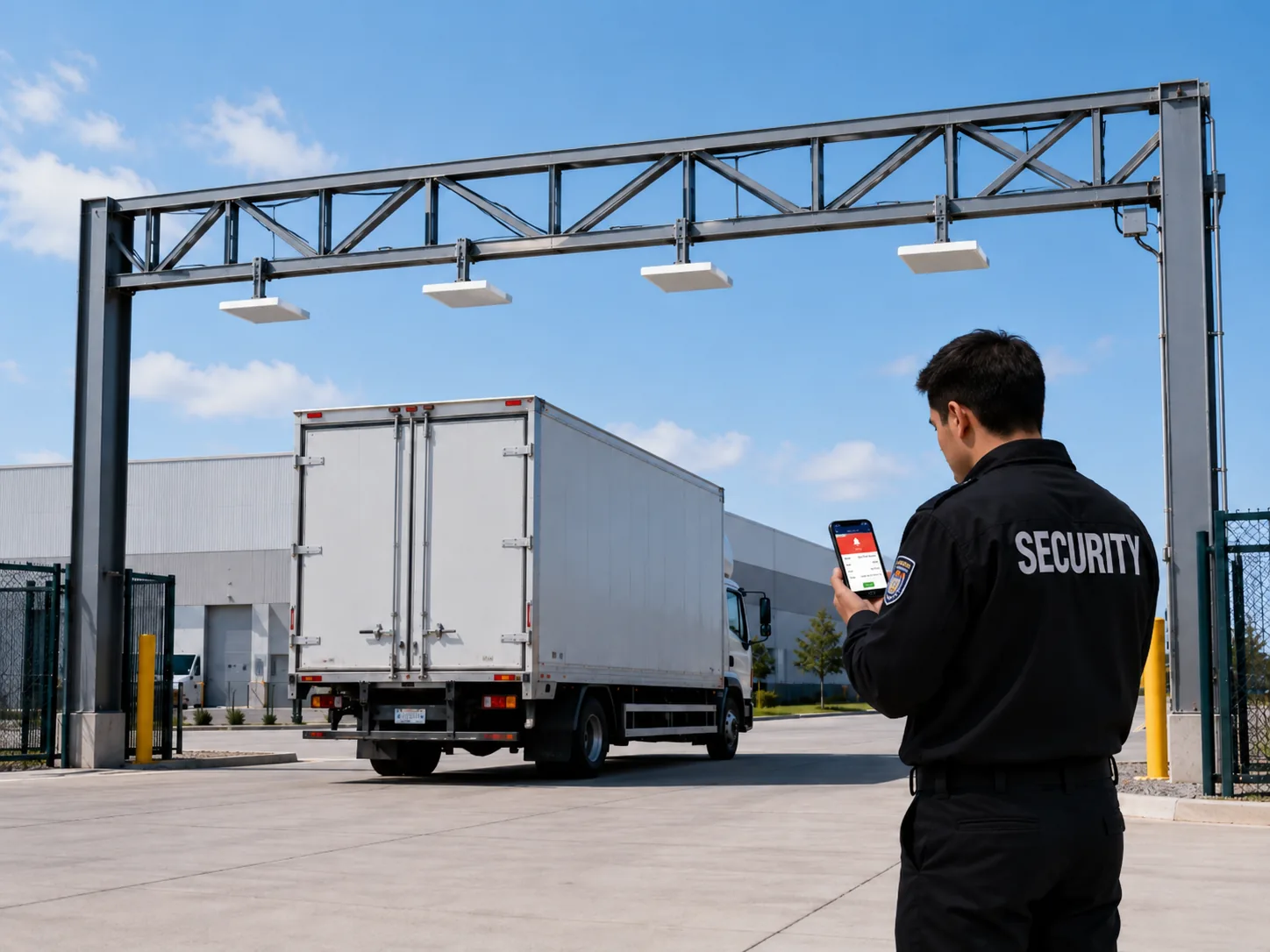
RFID UHF technology allows tagged items to be detected from a distance without direct line-of-sight scanning. RFID tags can be attached to products, boxes, pallets, tools, equipment, containers, returnable assets, uniforms, towels, or other assets that need theft prevention and inventory visibility.
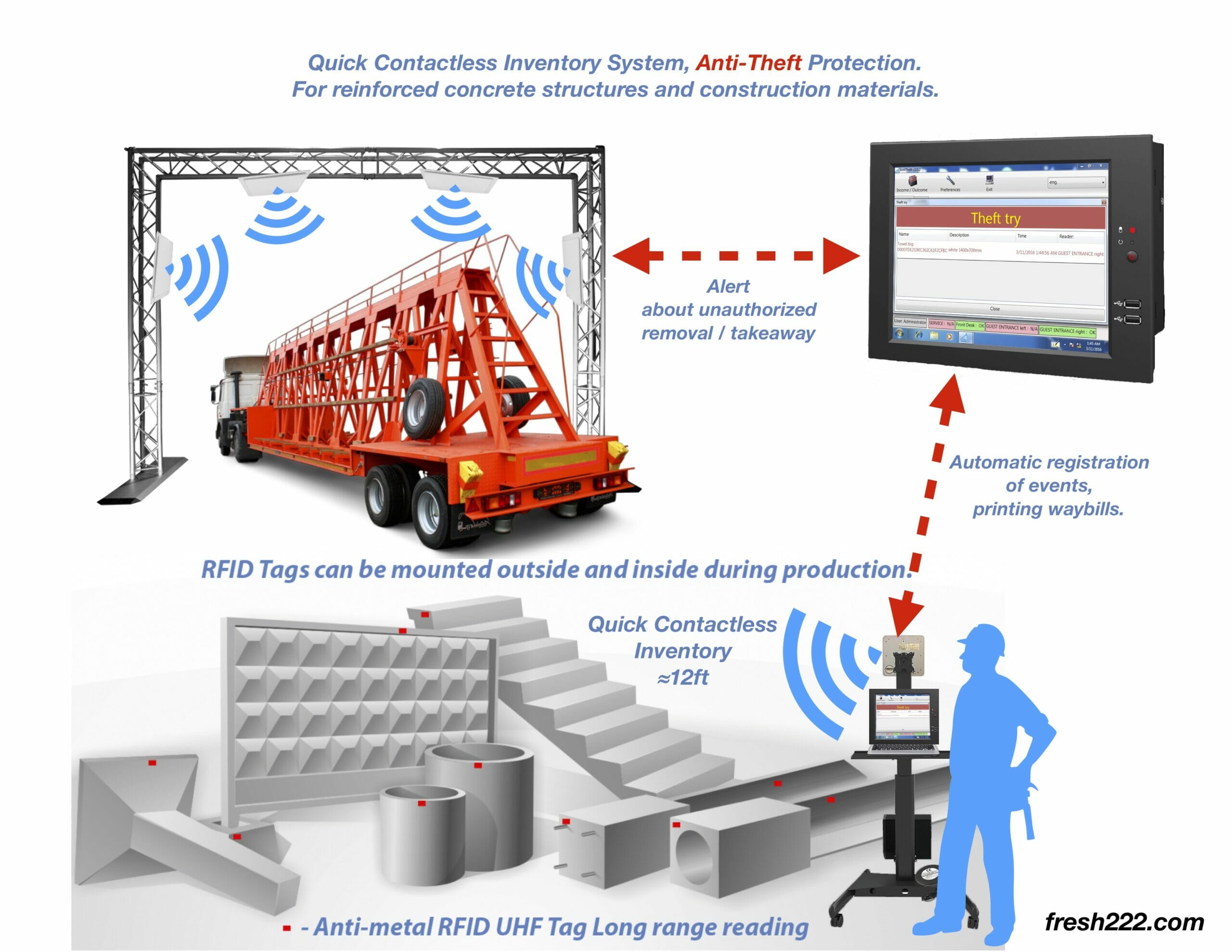
When a tagged item moves through a protected warehouse zone, an RFID reader can identify the tag and trigger the required action. Depending on the system configuration, the event can activate a siren, strobe, relay output, software record, or remote alarm notification.
This gives warehouse operators more control than a basic alarm. The system can help identify that a tagged item moved through a monitored point, create a time-based event record, and support faster investigation.
- Tagged item detection: RFID UHF readers can detect tagged assets as they pass through a monitored area.
- Alarm output: the system can trigger sirens, strobes, or connected alarm devices.
- Relay control: depending on the project, relay output can connect to doors, locks, gates, turnstiles, or other devices.
- Software records: compatible software can record detection events and support item movement monitoring.
- Inventory visibility: RFID workflows can support audits, item checks, and inventory control.
- Remote awareness: optional GSM 4G / WiFi mobile alarm notification can be added to compatible F-930 systems.
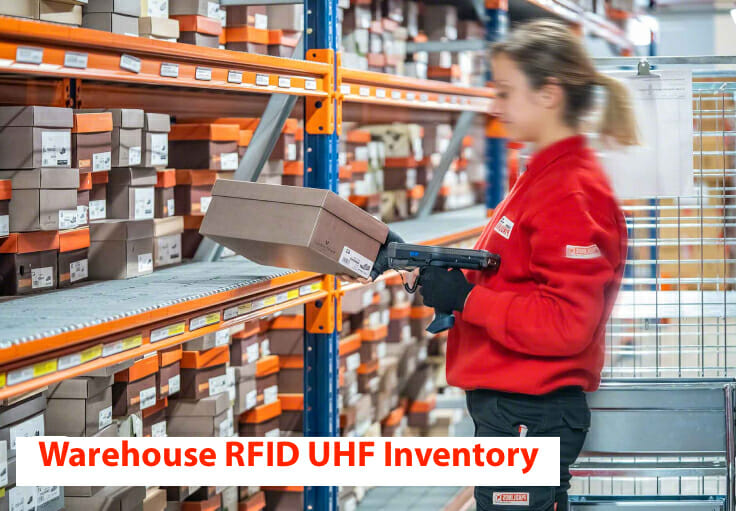
Warehouse Theft Prevention at Loading Docks and Shipping Doors
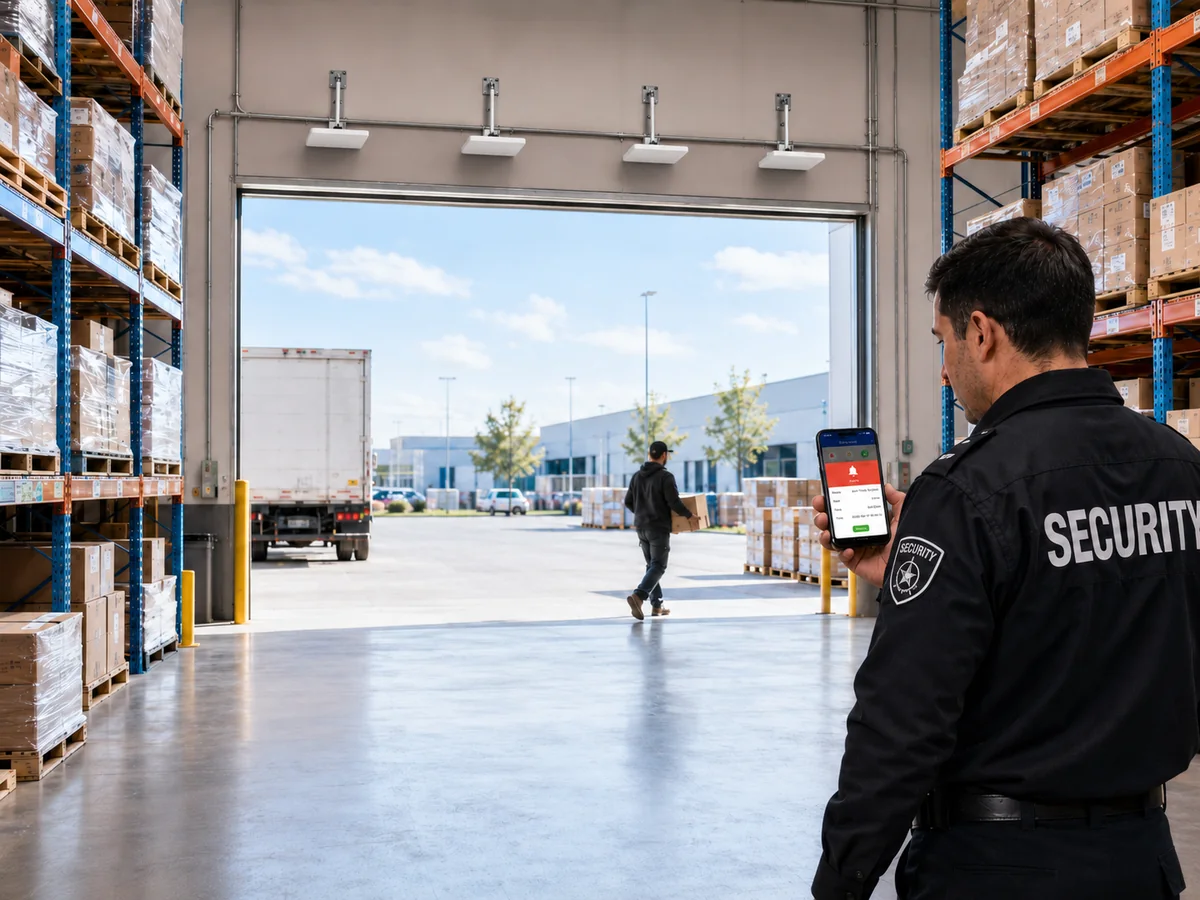
Loading docks and shipping doors are among the most important areas to protect. Many theft incidents and inventory discrepancies happen when products are moved during shipping, receiving, staging, or transfer between zones.
Fresh USA RFID UHF systems can help monitor selected dock doors or wide warehouse exits. For wide openings, multiple antennas can be positioned above the exit or mounted on a suitable structure so tagged assets can be detected when they pass through the monitored area.
This type of setup can be useful for:
- Detecting tagged inventory moving through a shipping door
- Monitoring high-value goods near a loading area
- Protecting palletized assets or returnable containers
- Supporting event records for item movement
- Adding alarm output when unauthorized movement occurs
- Improving accountability around warehouse exit points
Outdoor Warehouse Theft Prevention
Outdoor warehouse yards require a different approach from indoor stockrooms and warehouse aisles. Assets may be stored outside the building, near truck lanes, gates, temporary storage areas, construction storage zones, or remote industrial locations.
Fresh USA can configure RFID-based theft prevention logic for selected outdoor applications. Depending on the project, the system may include RFID UHF detection, weather-protected electrical components, alarm output, remote notification, and relay control for gates, turnstiles, doors, or restricted passages.
For remote locations, construction storage zones, outdoor yards, and temporary controlled access areas, the system can be designed so anti-theft logic has priority over normal access. When an alarm is triggered, the system may activate a siren/strobe, send a remote notification through the optional 4G/WiFi alarm add-on, and use relay output to lock or block a controlled passage when required by the project design.
Fresh USA F-930 Anti-Theft / Tracking System
The Fresh USA F-930 Anti-Theft / Tracking System can be used as a core component for selected warehouse theft prevention projects. It is designed for RFID UHF long-range detection and can be installed for overhead, doorway, corridor, passage, loading dock, or controlled-zone monitoring depending on the layout.
For warehouse applications, the F-930 can help monitor tagged assets moving through protected exits, loading areas, stockroom doors, or restricted passages. When unauthorized movement is detected, the system can activate alarm output and support RFID-based event monitoring.
- RFID UHF overhead or controlled-zone detection
- Suitable for selected warehouse doors, corridors, exits, and loading areas
- Supports siren and strobe alarm output
- Can support relay output for locks, gates, doors, turnstiles, or alarm devices
- Can be used with compatible Fresh USA anti-theft and inventory software
- Supports RFID-based event records and inventory visibility
Price / Buy F-930 System
Request a Quote
Mobile Alert Notifications for Warehouse Theft Events

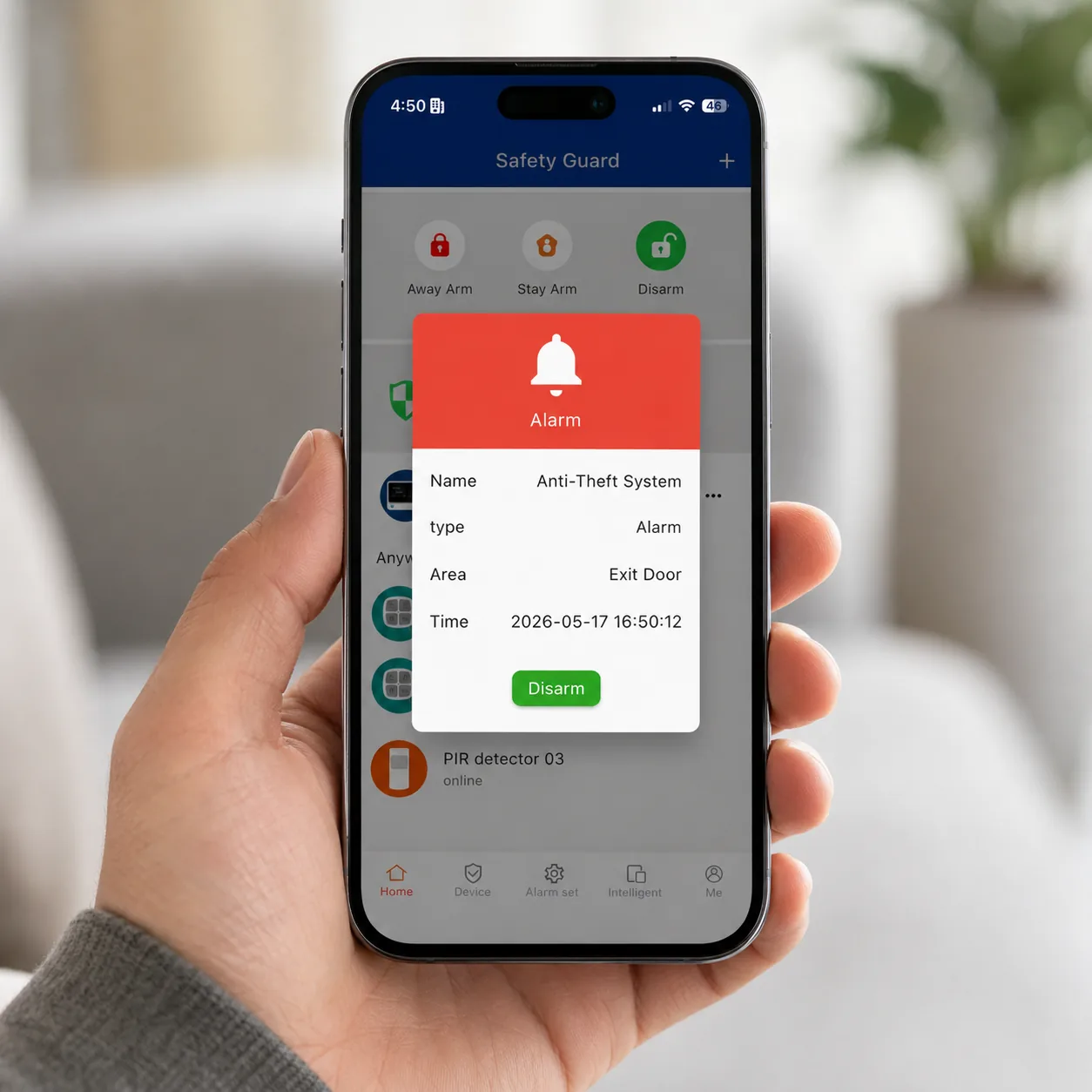
For warehouses and outdoor yards that need remote alarm awareness, Fresh USA can offer the optional GSM 4G / WiFi Wireless Alarm Notification System as an add-on for the F-930 Anti-Theft / Tracking System.
This add-on helps security managers, warehouse supervisors, or authorized personnel receive alarm notifications when a protected area triggers an event. It supports GSM 4G SIM card connectivity and WiFi connectivity and includes an alarm host, 2 remote controllers for arming and disarming, 1 siren, 1 wireless outdoor solar siren, and a free mobile app for iOS and Android smartphones.
- Add-on designed only for the F-930 Anti-Theft / Tracking System
- Dual network support: GSM 4G SIM card + WiFi
- Wireless alarm notification for remote awareness
- Includes 2 remote controllers for arm/disarm
- Includes siren and wireless outdoor solar siren
- Free mobile app for iOS and Android smartphones
- Outdoor solar siren size: 10.87 × 7.80 × 2.76 in / 276 × 198 × 70 mm
Important: This product is not a standalone alarm system. It is an optional add-on intended only for use with the F-930 Anti-Theft / Tracking System.
Buy the Mobile Alert System
Request a Quote
Warehouse Theft Prevention System Components
A Fresh USA warehouse theft prevention system can include multiple layers depending on the layout, number of monitored zones, tag type, asset value, and alarm requirements.
- RFID UHF readers and antennas
- RFID tags for products, boxes, pallets, tools, equipment, containers, or assets
- F-930 Anti-Theft / Tracking System for selected monitored zones
- Alarm siren and strobe light
- Relay output for locks, gates, doors, turnstiles, or alarm devices
- Anti-theft and inventory software
- Reader software license
- Tag activator / deactivator
- Handheld RFID reader for inventory audits
- Optional GSM 4G / WiFi wireless alarm notification kit
- Optional security cameras for visual verification
- Optional access control integration for restricted warehouse zones
Warehouse Theft Prevention Software
Fresh USA software can help warehouse operators manage RFID detection events, tagged items, and inventory-related workflows. With compatible RFID readers, the system can support event records, item movement monitoring, inventory checks, and selected integration workflows.
For advanced projects, RFID data can support SQL database workflows, ERP integration, or web-service deployment. This allows the theft prevention system to become part of a broader warehouse security and inventory control process.
- RFID detection event monitoring
- Tagged item database support
- Inventory audit support
- Local software operation options
- SQL database workflows for advanced projects
- Possible ERP or web-service integration depending on project requirements
- No monthly fees for local software license options
Download Warehouse Theft Prevention Software
Warehouse Theft Prevention vs. Warehouse Loss Prevention
Warehouse theft prevention and warehouse loss prevention are closely related, but they are not exactly the same. Theft prevention focuses mainly on unauthorized removal, internal theft, external theft, and suspicious item movement. Loss prevention is broader and may also include receiving errors, shipping mistakes, misplaced inventory, supplier discrepancies, documentation problems, and operational shrinkage.
| Category | Warehouse Theft Prevention | Warehouse Loss Prevention |
|---|---|---|
| Main focus | Stopping unauthorized removal of inventory or assets | Reducing theft, shrinkage, errors, discrepancies, and asset loss |
| Common risks | Internal theft, external theft, unauthorized exit movement | Theft, receiving errors, shipping mistakes, misplaced inventory, poor documentation |
| Technology role | RFID detection, alarm output, access control, cameras, mobile alerts | RFID detection, software records, inventory visibility, audits, alarm logic |
| Best protected points | Doors, loading docks, gates, employee exits, tool rooms | Warehouse zones, stockrooms, outdoor yards, shipping/receiving, inventory workflows |
| Related page | This page for theft-focused strategies and technology | Warehouse Loss Prevention Systems for broader shrinkage and operational loss control |
How to Plan a Warehouse Theft Prevention System
To recommend the correct configuration, Fresh USA may ask for basic project information. The best system layout depends on the facility type, monitored zones, item type, tag location, detection distance, mounting conditions, and alarm requirements.
- Facility type: indoor warehouse, distribution center, stockroom, outdoor yard, or remote storage site
- Number of doors, exits, gates, loading docks, or monitored passages
- Entrance width, ceiling height, and mounting options
- Photos or a simple layout sketch
- Type of products, tools, equipment, containers, or assets to protect
- Approximate number of RFID tags needed
- Whether the system needs alarm only, software, inventory control, access control, or remote notification
- Whether the installation area is indoor, outdoor, temporary, or remote
Prices / Buy Systems
Request a Quote
FAQ: Warehouse Theft Prevention
What is warehouse theft prevention?
Warehouse theft prevention is the process of reducing unauthorized removal of inventory, tools, equipment, pallets, containers, and other assets from warehouses, stockrooms, loading docks, controlled exits, and outdoor storage areas.
How can a warehouse prevent theft?
A warehouse can reduce theft risk by combining physical security, access control, cameras, employee procedures, inventory audits, alarm systems, and RFID detection at high-risk movement points such as loading docks, employee exits, stockrooms, tool rooms, and outdoor yards.
What are the most common warehouse theft risks?
Common warehouse theft risks include internal theft, external theft, loading dock theft, employee exit theft, tool room theft, outdoor yard theft, uncontrolled access, poor inventory visibility, and lack of event records.
How does RFID help prevent warehouse theft?
RFID helps detect tagged items from a distance when they move through a monitored area. This can support automatic detection at warehouse exits, loading docks, gates, corridors, employee exits, and restricted zones.
Can the system trigger an alarm?
Yes. Depending on the configuration, the system can trigger a siren, strobe, relay output, software event, or remote notification when a tagged item moves through a protected area.
Can the system be used at warehouse loading docks?
Yes. RFID readers and antennas can be configured for selected loading dock, shipping, receiving, and wide-exit applications depending on the layout, tag type, and detection requirements.
Can Fresh USA systems protect outdoor warehouse yards?
Yes. Selected configurations can support outdoor yards, remote storage areas, construction storage zones, and temporary controlled access points. The final design depends on weather exposure, mounting conditions, power, and detection-zone requirements.
Can I receive mobile alarm notifications?
Yes. The optional GSM 4G / WiFi Wireless Alarm Notification System can be added to compatible F-930 Anti-Theft / Tracking Systems for remote alarm awareness.
Does the system replace security cameras?
No. RFID and cameras solve different problems. Cameras provide visual evidence, while RFID helps identify tagged item movement. For stronger warehouse theft prevention, both technologies can be used together.
Can the system connect to gates, doors, locks, or turnstiles?
Yes. Depending on the project configuration, relay output can be used to connect sirens, strobes, locks, doors, gates, turnstiles, or other control devices.
Does the system require monthly fees?
Fresh USA offers local software license options with no monthly fees for compatible RFID theft prevention and inventory systems.
What information is needed for a quote?
Fresh USA usually needs the facility type, number of monitored zones, entrance dimensions, photos or a layout sketch, item type, approximate tag quantity, and whether software, access control, outdoor protection, or remote alarm notification is required.
Request a Warehouse Theft Prevention Recommendation
Fresh USA can help recommend a practical RFID-based warehouse theft prevention system for indoor warehouses, loading docks, stockrooms, outdoor yards, tool rooms, high-value storage zones, and remote industrial sites. Send us your layout, photos, and basic project requirements, and we will help define the best configuration.
Prices / Buy Systems
Request a Quote
Warehouse Theft Prevention Video
Watch this short video to see how RFID-based theft prevention and anti-theft detection can help protect tagged items and support warehouse security workflows.