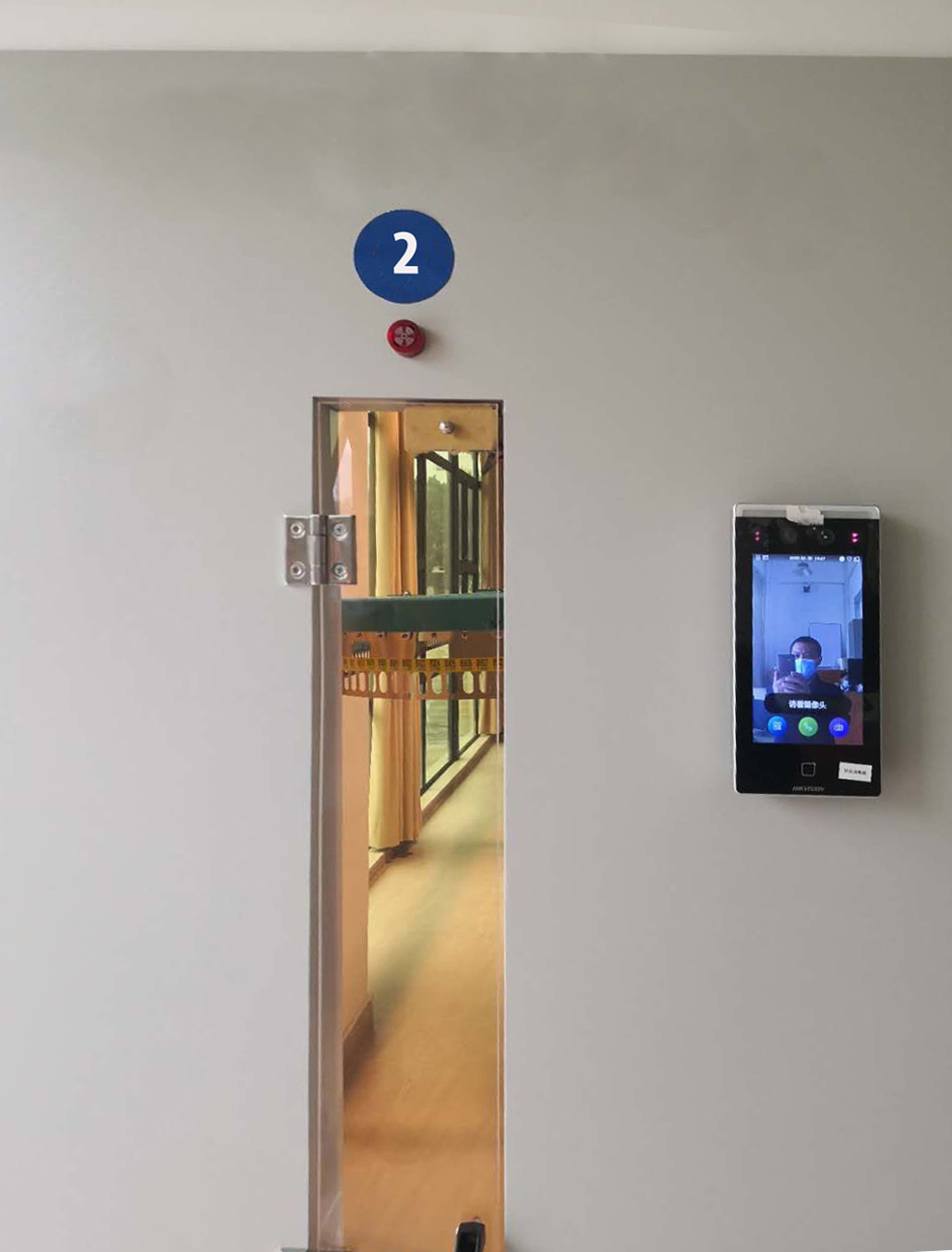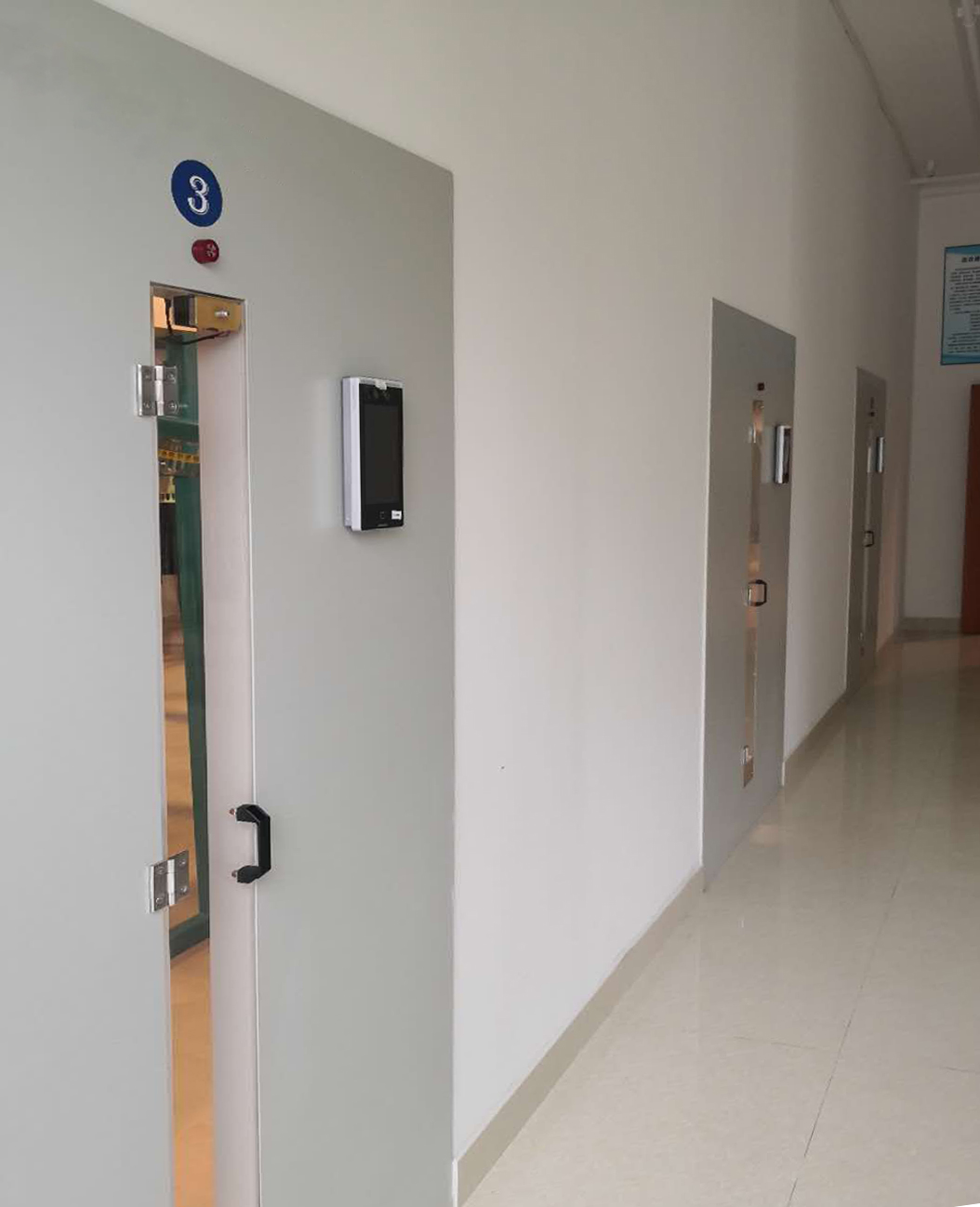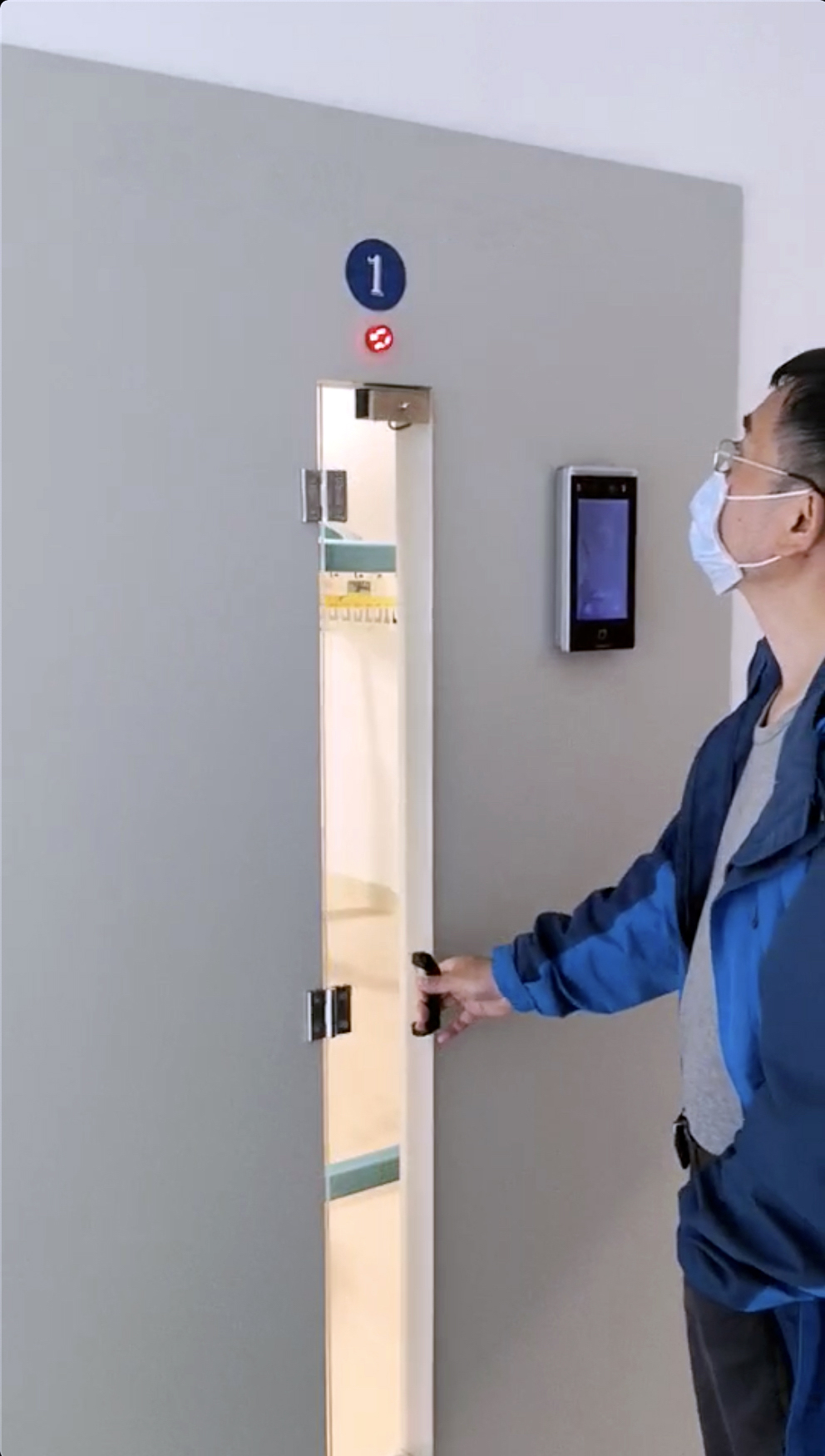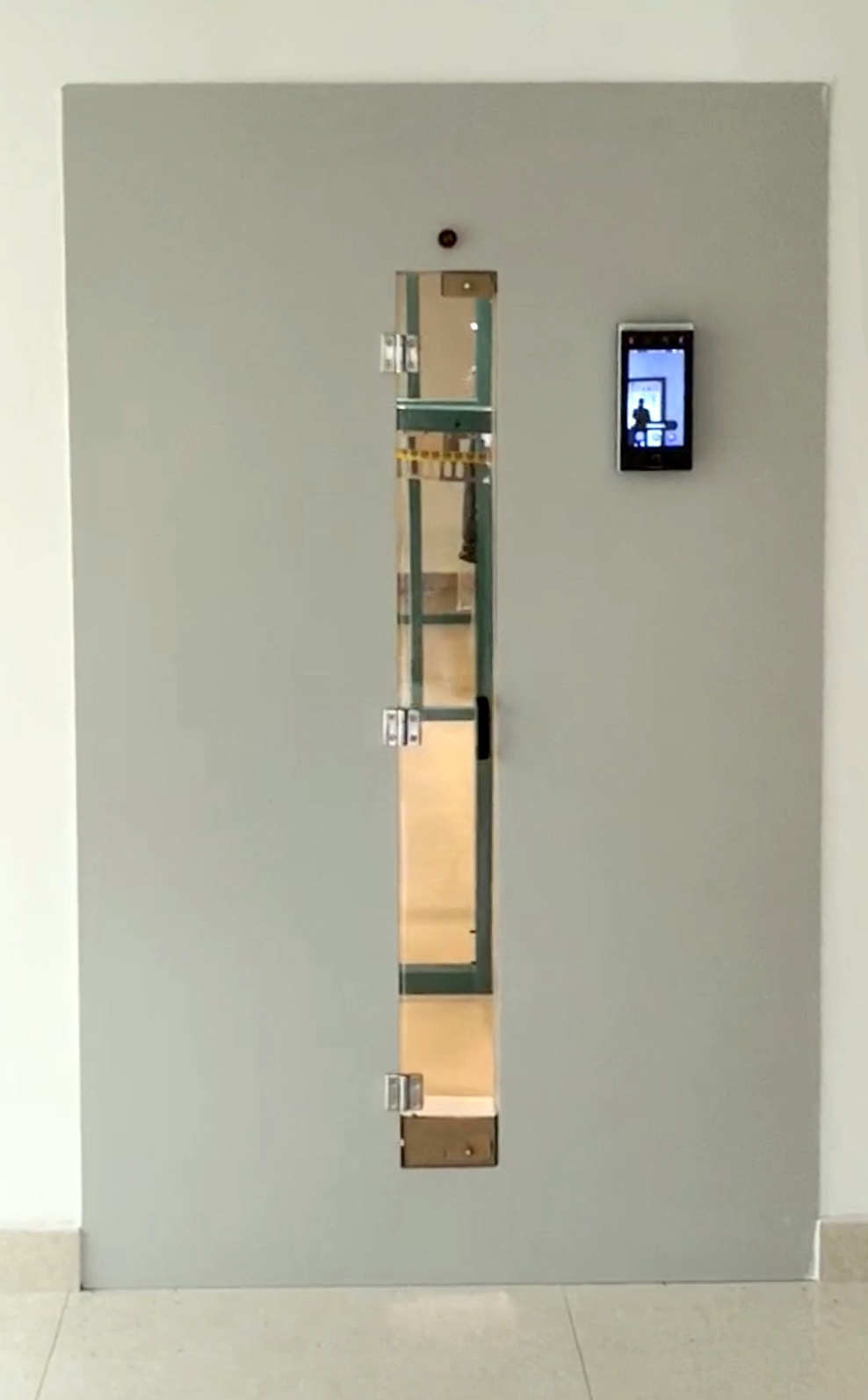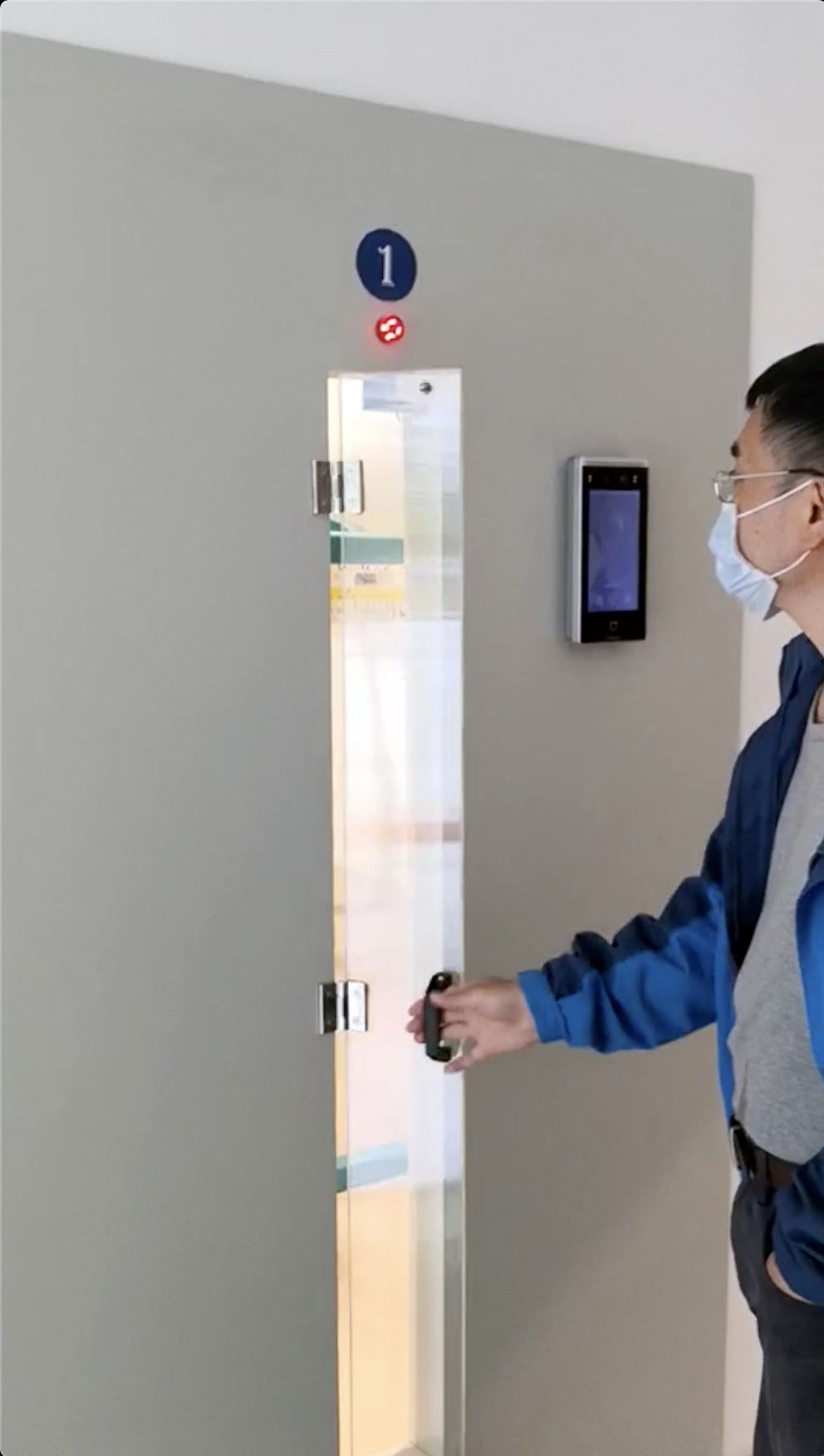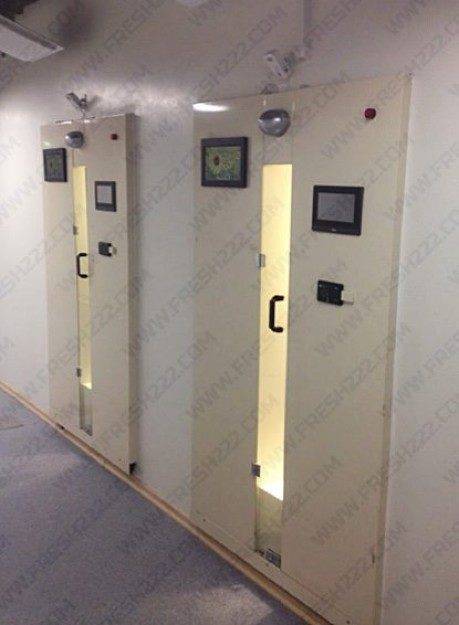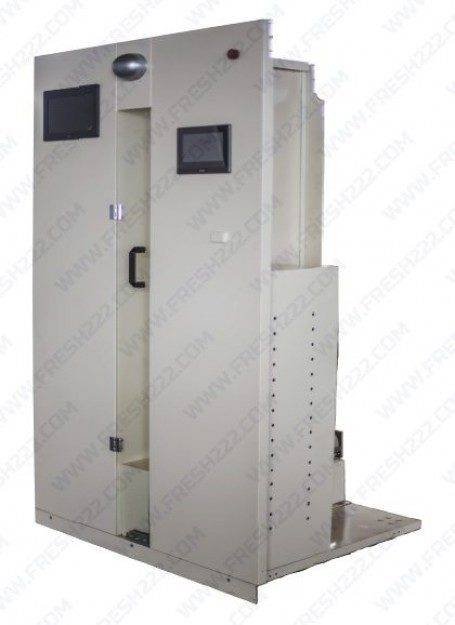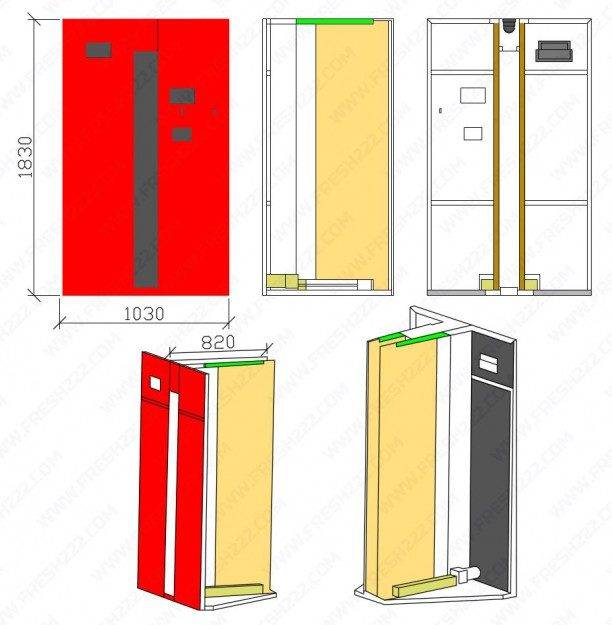
Need a better way to store, issue, return and track uniforms for hospital employees? A healthcare uniform management system creates an organized workflow for scrubs, lab coats, housekeeping uniforms, maintenance workwear and other staff garments.
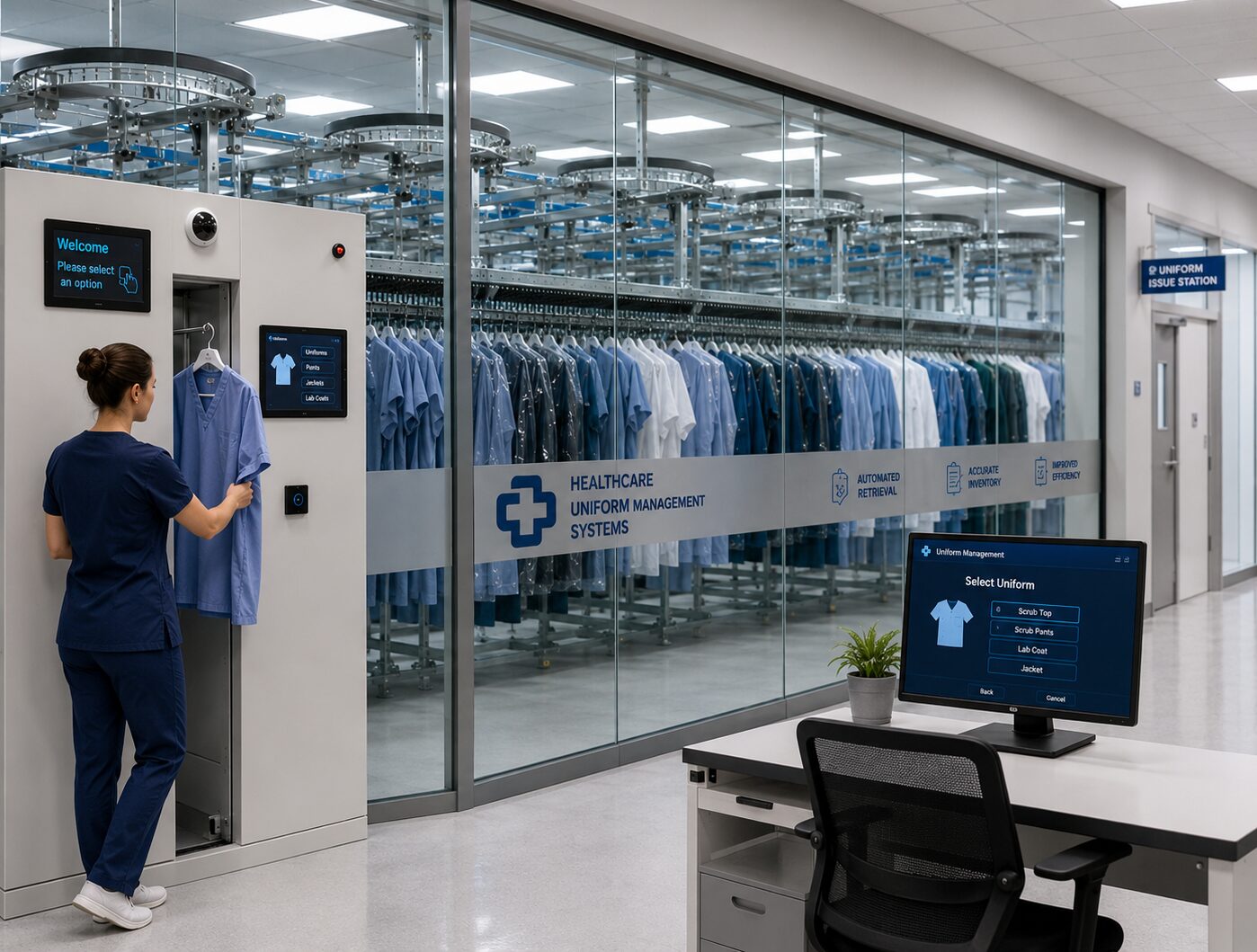
The system can combine high-capacity uniform conveyors, employee identification, controlled issue and return points, garment tracking software and laundry workflow management. Instead of relying on open racks, handwritten records or manual searches, healthcare facilities can assign uniforms to employees, organize garments by department and maintain a clearer history of uniform movement.
Fresh USA develops custom healthcare uniform management solutions for hospitals, medical centers, senior care facilities, laboratories, outpatient facilities and other organizations that manage uniforms for large numbers of employees.
Healthcare & Senior Care Solutions
Healthcare Uniform Management Challenges
Managing employee uniforms becomes difficult when a medical organization has multiple departments, changing shifts, different garment types and frequent laundry cycles.
Common problems include:
- Employees waiting while staff search for uniforms
- Scrubs and uniforms stored on overcrowded fixed racks
- Limited information about who received each garment
- Difficulty separating clean, issued, returned and damaged garments
- Excess inventory purchased because current stock cannot be located
- Missing uniforms after employee transfers or termination
- Congestion during shift changes
- Manual paperwork and inconsistent transaction records
- Limited storage space in existing uniform rooms
- Difficulty coordinating uniform storage with the laundry process
A properly designed healthcare uniform management system addresses these problems by combining organized storage with a defined issue, return and laundry workflow.
What Is a Healthcare Uniform Management System?
A healthcare uniform management system combines storage equipment, employee and garment identification, operating procedures and optional software to manage uniforms throughout their working cycle.
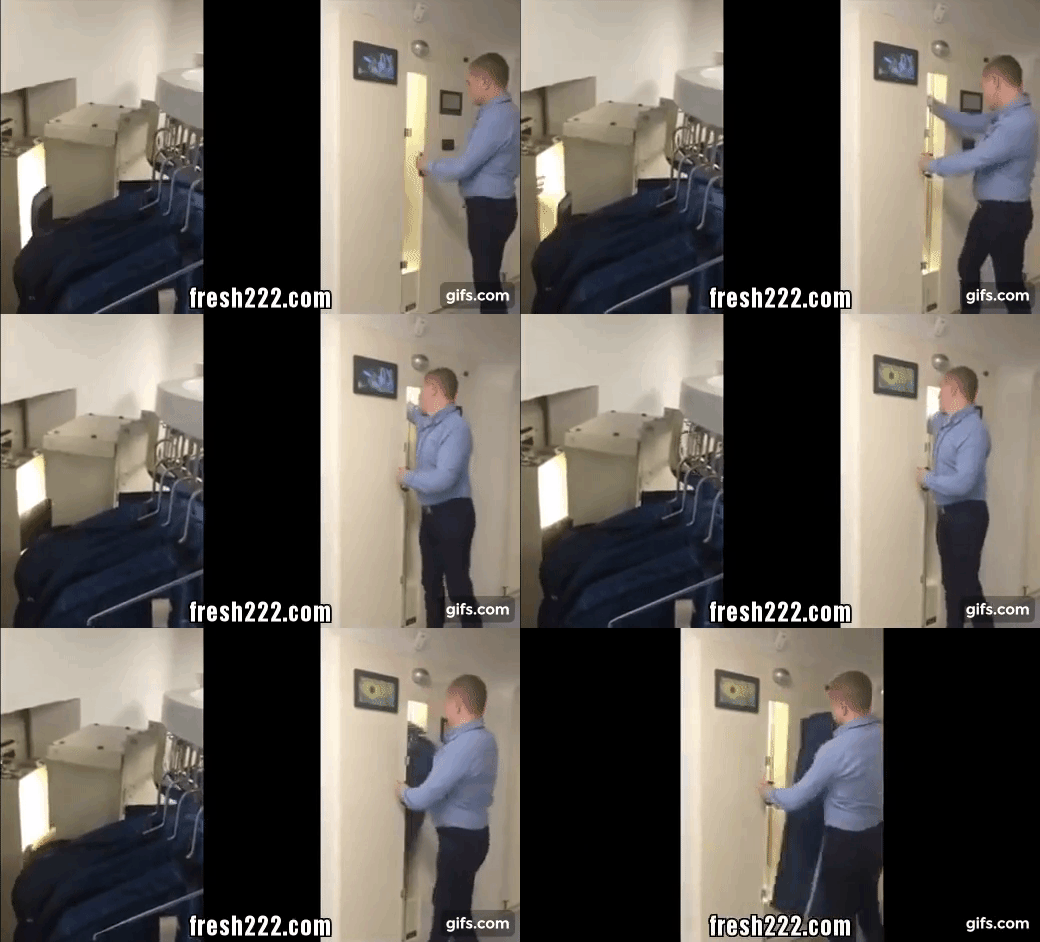
The system may include:
- Uniform conveyor storage
- Numbered garment positions and automatic search
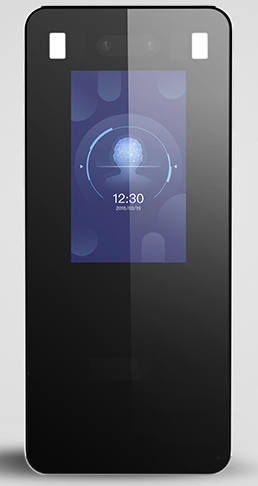
- Employee badge or card identification
- RFID garment tags or barcode scanning
- Issue and return stations
- Clean-uniform storage and returned-garment collection
- Employee, department and uniform assignment records
- Laundry workflow and transaction history
- Access-controlled uniform rooms
- Smart cabinets for selected folded items or PPE
The final system is configured around the facility’s actual workflow. A smaller senior care facility may need organized conveyor storage and numbered retrieval, while a large hospital may require multiple issue points, employee identification, software management and separate departmental workflows.
For a broader overview of related automation, tracking, access-control and storage solutions, visit our Healthcare & Senior Care Solutions page.
How Healthcare Uniform Management Works
1. Uniforms Are Received and Prepared
Clean garments return from the laundry or processing area and are inspected and sorted by garment type, size, department or employee.
2. Each Uniform Is Assigned
A garment is assigned to an employee, department, size group, garment category or numbered conveyor position. The assignment may be entered manually or connected to a barcode or RFID garment tag.
3. Clean Uniforms Are Stored
Uniforms are placed on a high-capacity conveyor, organized rack, smart cabinet or another controlled storage system.
4. The Employee Is Identified
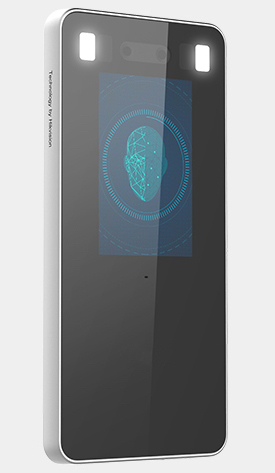
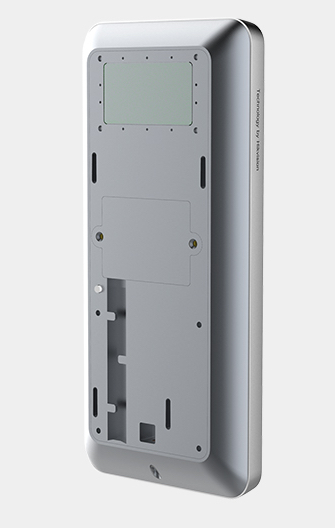
The employee may present an ID card, RFID badge or wristband. The system displays assigned garments or authorizes access to an approved storage area.
5. The Uniform Is Issued
The operator searches by employee, garment, department or position number. An automated conveyor can move the selected position to the issue station.
6. The Transaction Is Recorded
Optional software records the employee, garment, department, date, time and issue location.
7. Used Uniforms Are Returned
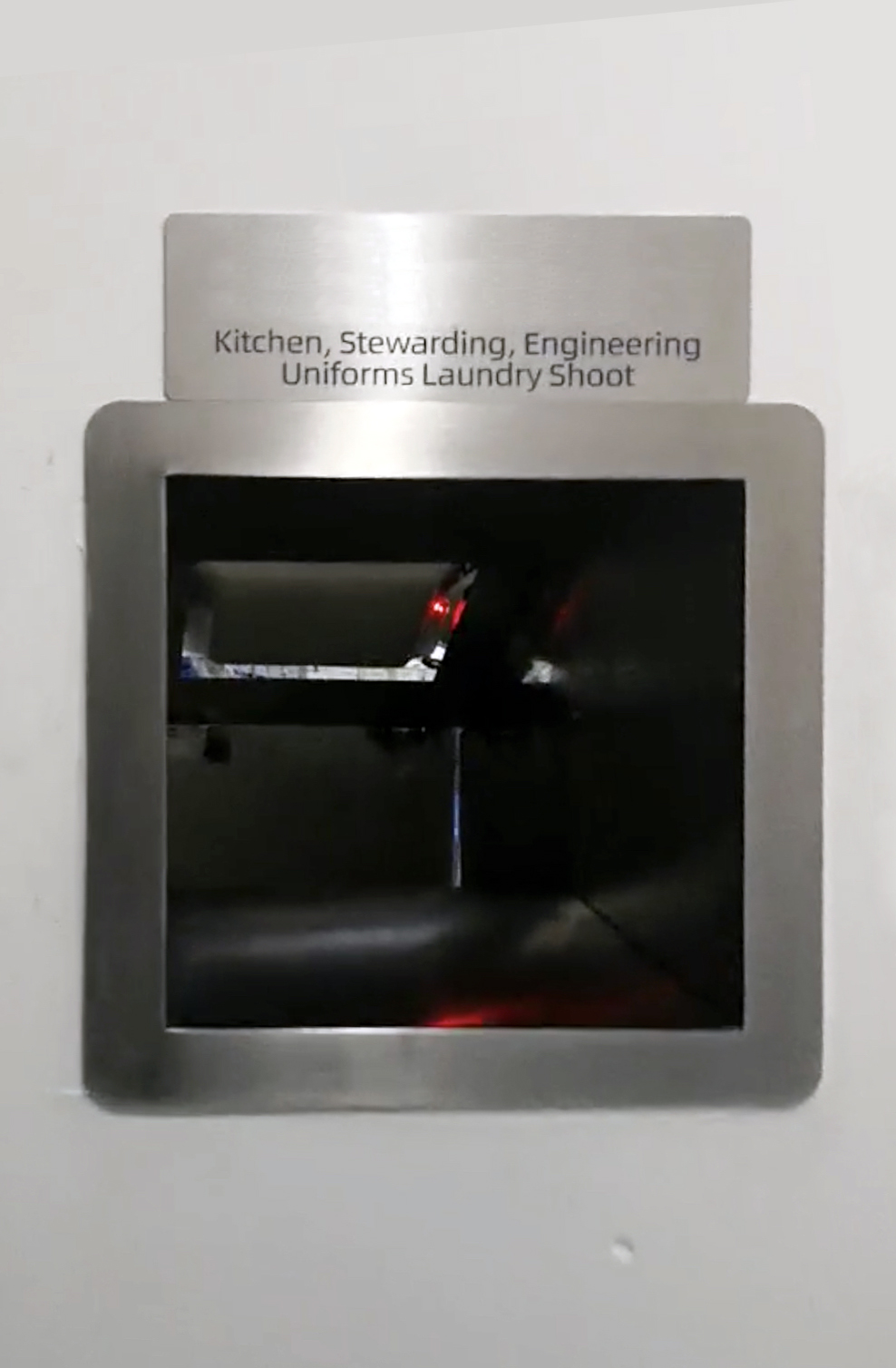
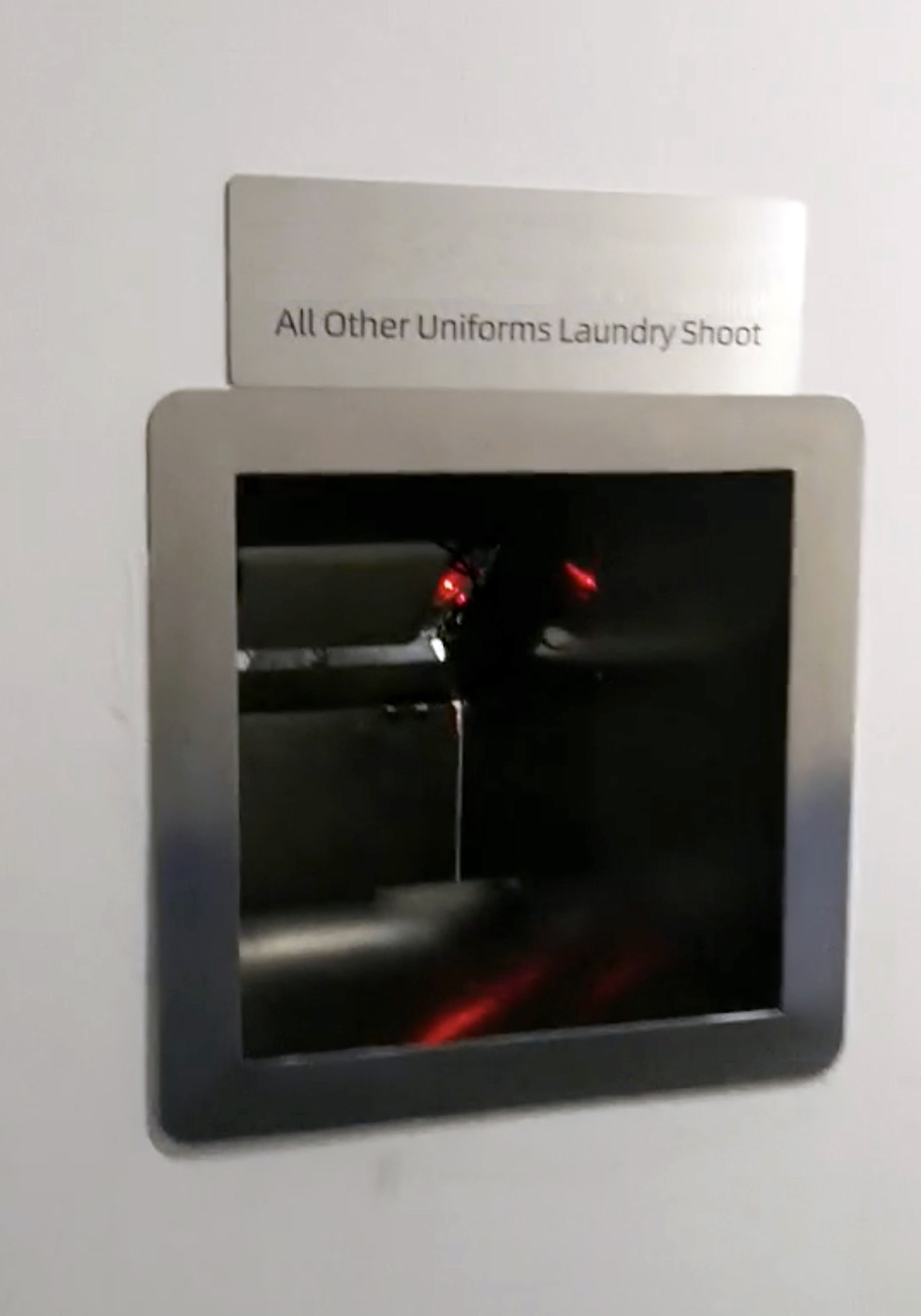
Returned garments are deposited at a designated collection point. The return may be recorded by employee identification, garment scan or operator confirmation.
8. Garments Return to the Laundry Workflow
Returned garments move through collection, laundry processing, inspection and clean storage before becoming available for the next issue cycle.
Healthcare Uniform Conveyor Systems
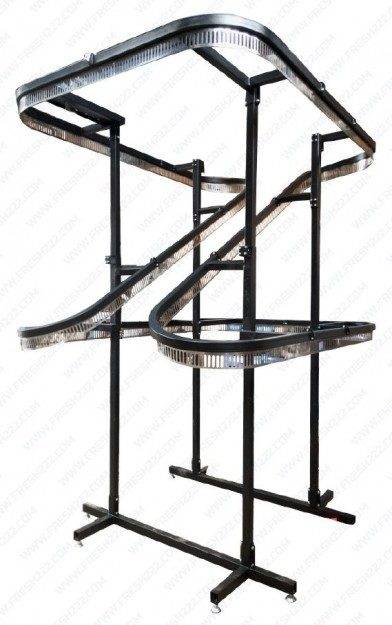
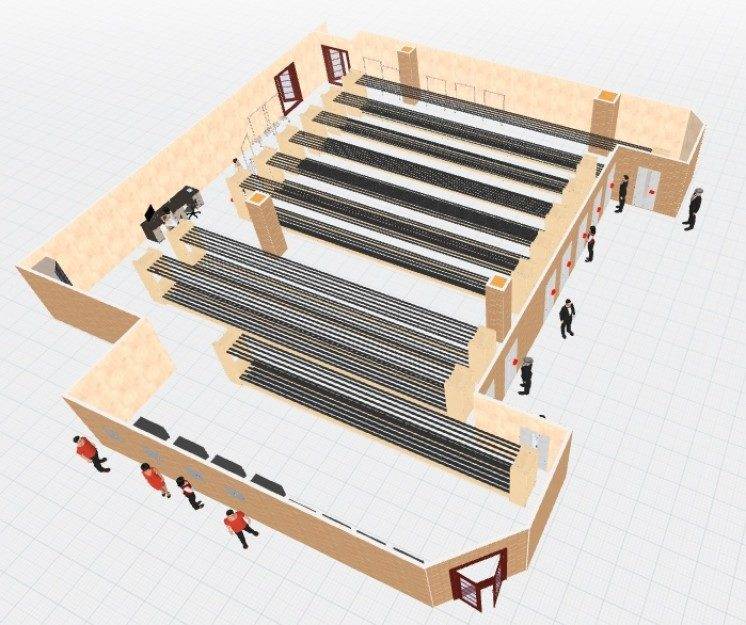
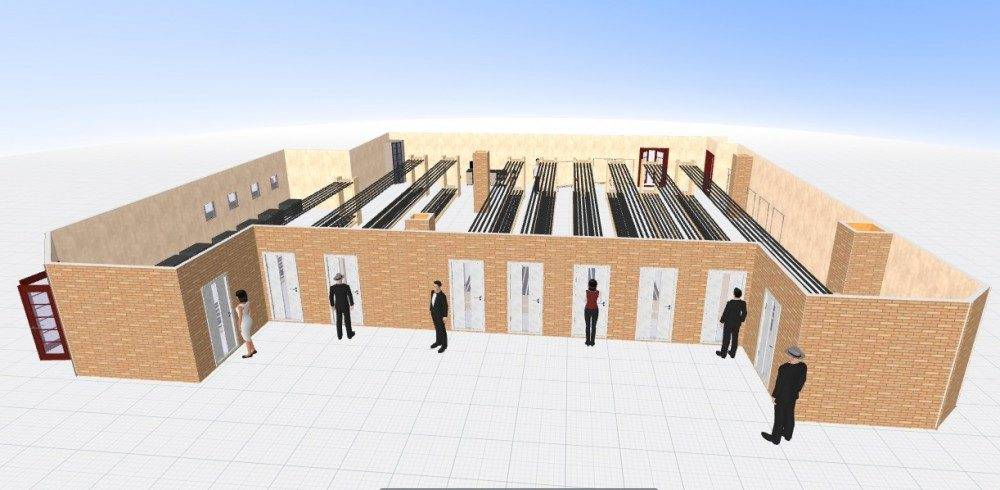
A uniform conveyor stores hanging garments on a motorized track and moves the required position to an operator or issue point. It is particularly useful where a healthcare organization must store hundreds or thousands of uniforms in a limited room.
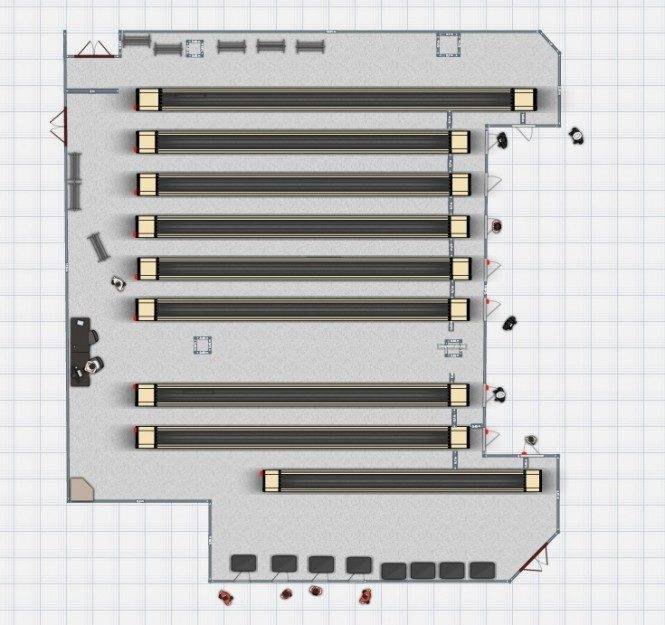
Uniform conveyors can be designed in I-shaped, H-shaped, L-shaped, U-shaped, X-shaped, Z-shaped and custom configurations. Single-level and multi-level layouts are available depending on ceiling height, garment length and required capacity.
Potential benefits include:
- Higher storage density than many fixed-rack layouts
- Centralized garment issue and retrieval
- Reduced employee walking inside the storage room
- Automatic search by numbered storage position
- Custom layouts around walls, doors and columns
- Expandable modular construction
- Ability to disassemble and reinstall the system
- Integration with identification and management software
For complete information about conveyor configurations, controls, construction and custom layouts, visit our Uniform Conveyor Systems page.
Scrub Management for Hospitals and Medical Facilities
Scrubs may vary by size, color, role, department and access level. Without an organized process, facilities may experience shortages in some sizes while carrying excess inventory in others.

A scrub management workflow can organize garments by:
- Employee or department
- Job function
- Garment size and color
- Clean, issued or returned status
- Issue location
- Laundry status
- Current availability
The system may use individual employee assignments or pool-based inventory. Employee-assigned uniforms are connected to specific staff records, while pool-based scrubs are managed by size, department or garment type.
Uniform Issue Systems
The uniform issue point is where clean garments are released to employees. The appropriate configuration depends on whether the facility uses an operator-assisted room, controlled self-service or a combination of both.
Operator-Assisted Issue
An attendant identifies the employee, searches for assigned garments and retrieves the correct conveyor position. This works well where garments require inspection or special handling.
Controlled Self-Service
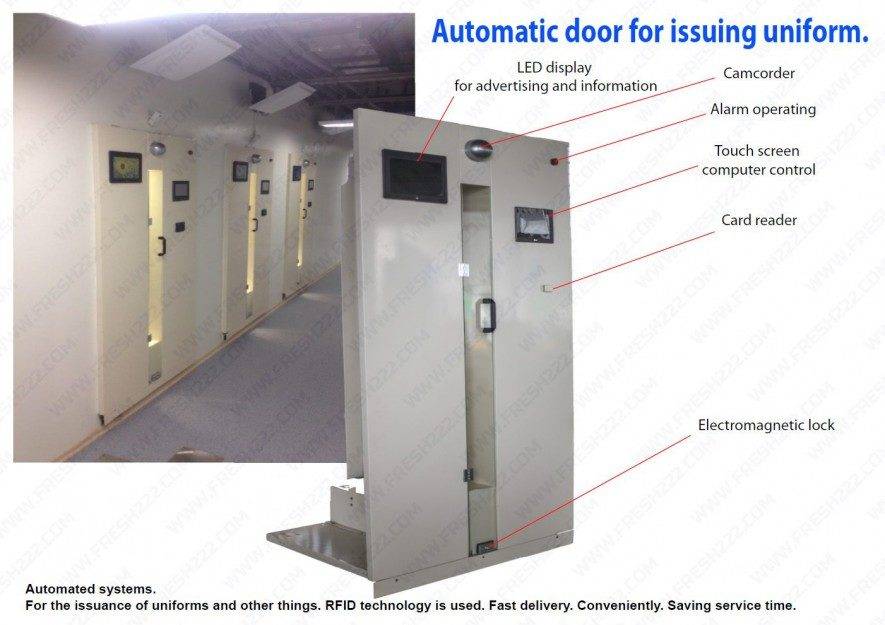
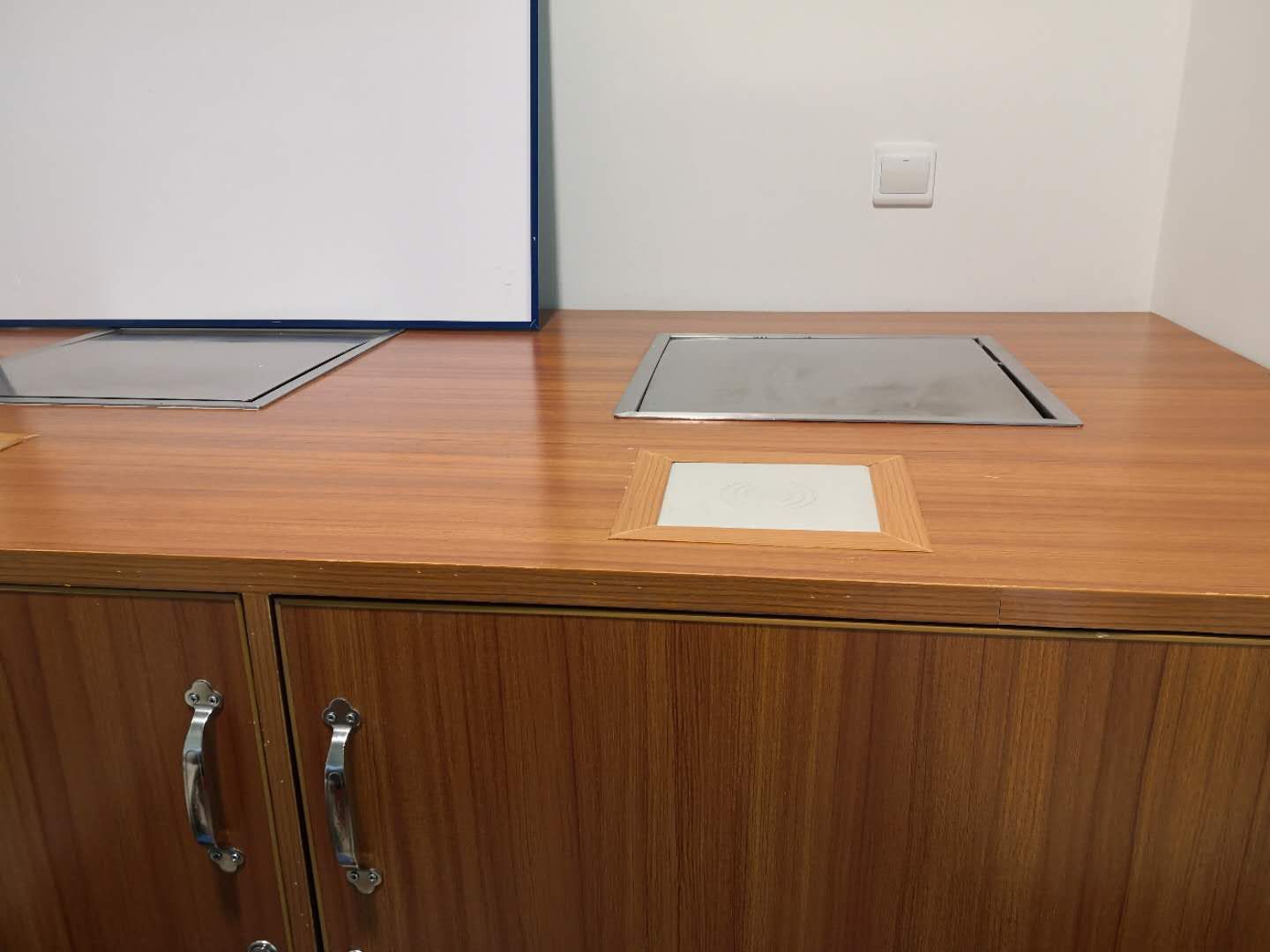
An employee identifies themselves using a badge, card or wristband and receives access to an authorized compartment, issue door or garment group.
Department-Based or Multiple-Station Issue
Uniforms can be organized by nursing, laboratory, housekeeping, dietary services, maintenance, security or another department. Large facilities may use several issue points connected to one storage room or multiple conveyors.
Uniform Return Systems
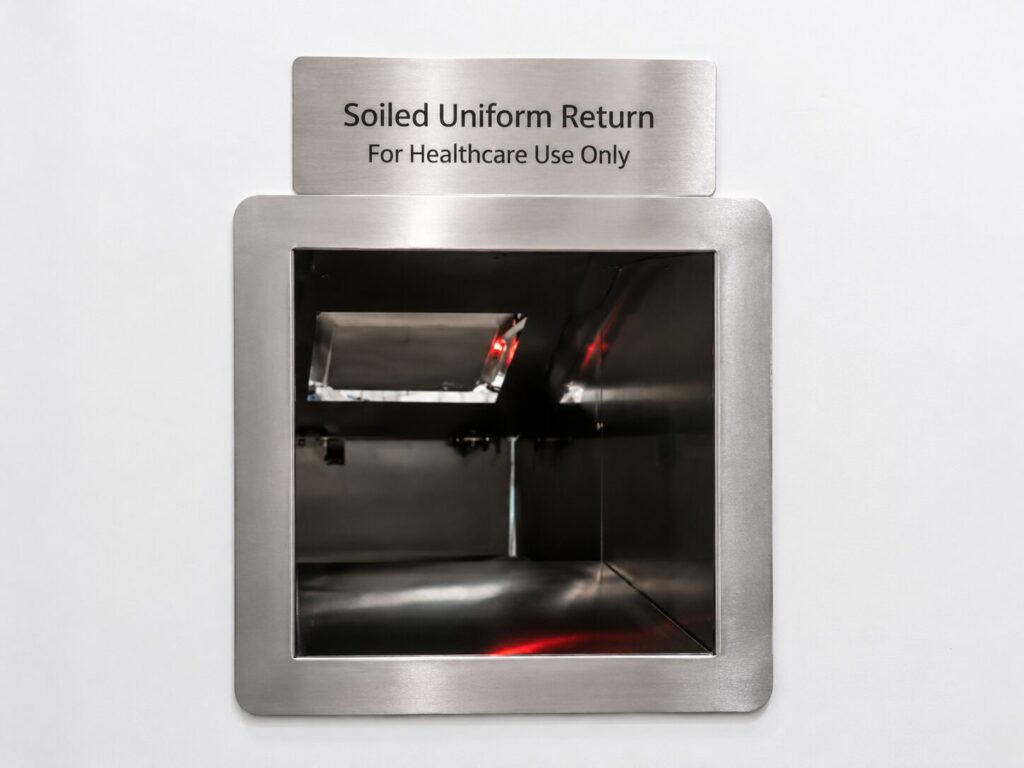
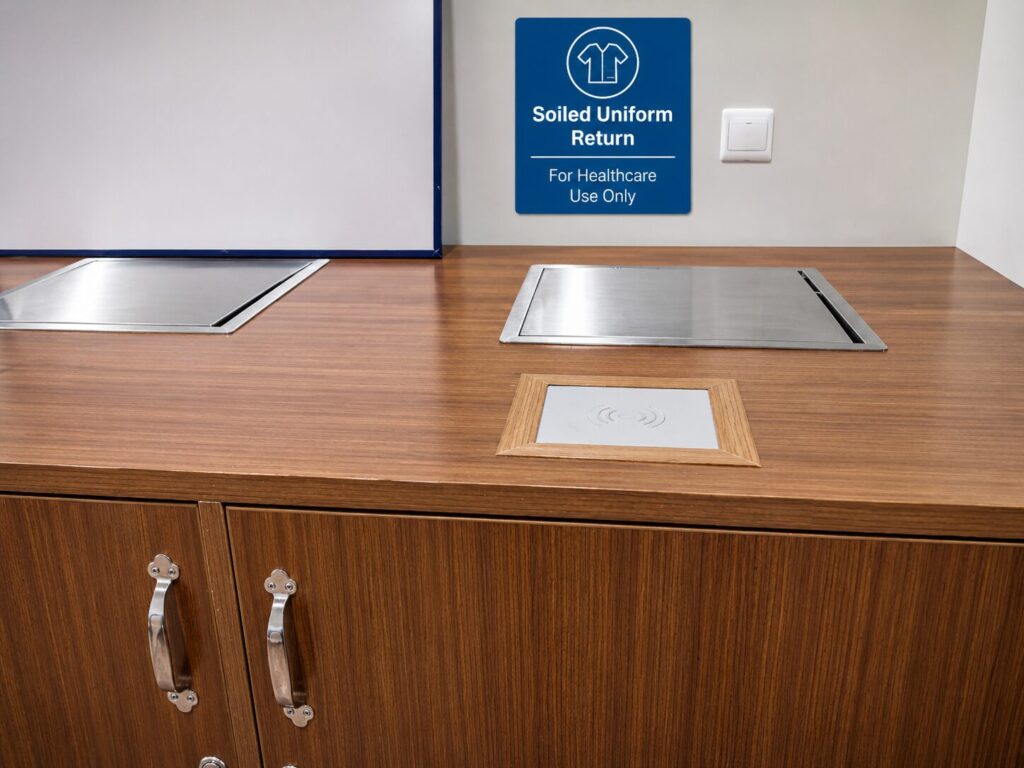
A defined return process helps prevent used garments from becoming mixed with clean inventory. Return stations may be installed near employee entrances, locker rooms, changing areas or uniform departments.
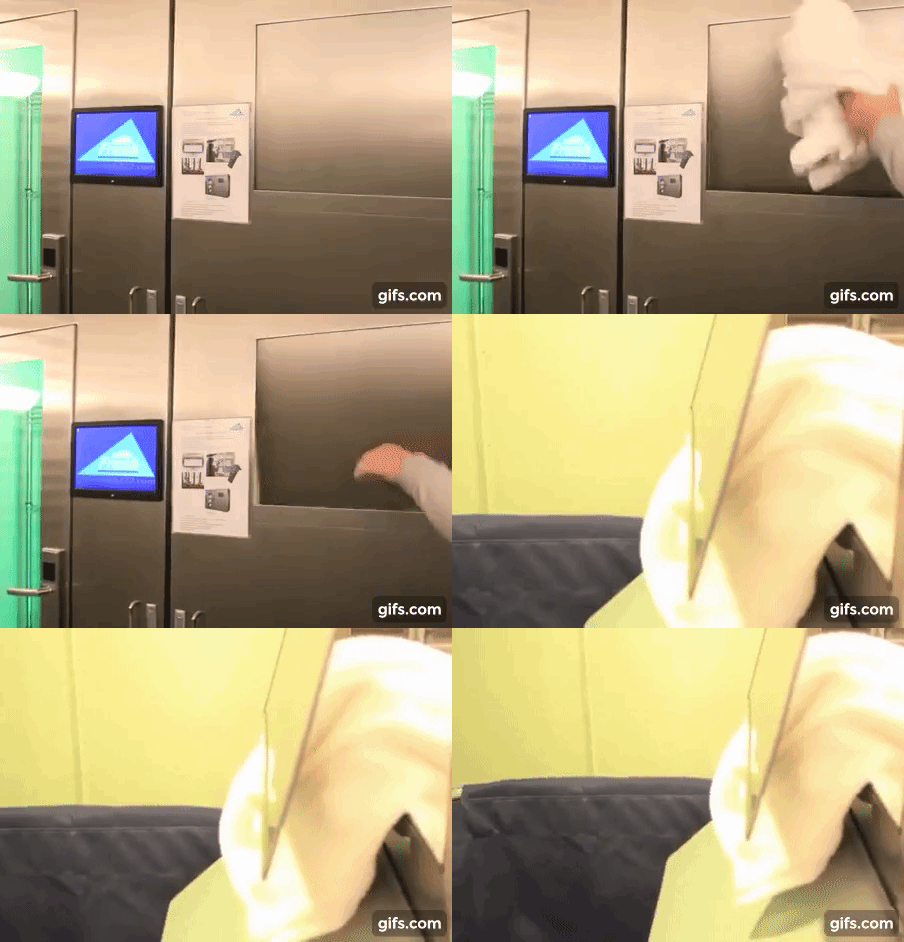
A return workflow can include:
- Employee identification
- Garment RFID or barcode scanning
- Return confirmation
- Collection carts or bins
- Department separation
- Returned-garment status
- Laundry transfer records
- Damaged-garment review
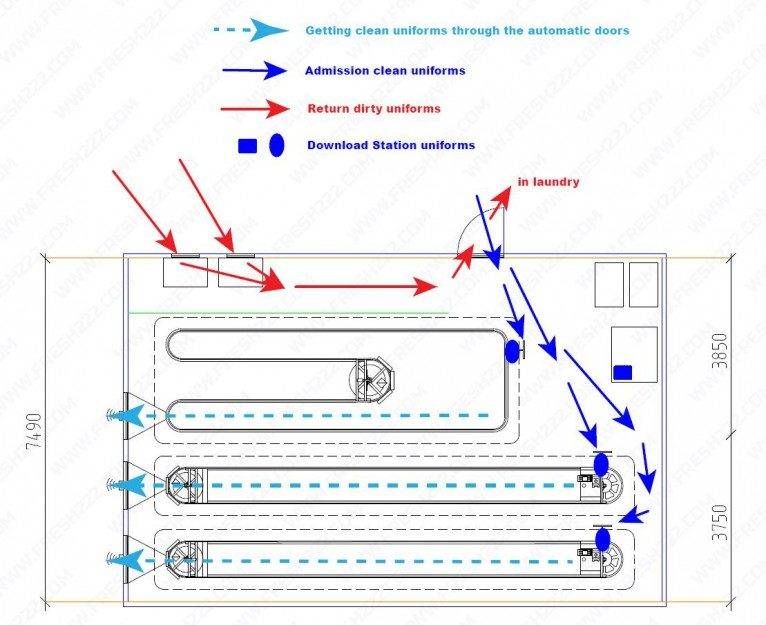
The return station does not need to be beside the clean-uniform conveyor. In many facilities, issue and return processes are intentionally separated to maintain a clear flow between clean and used garments.
RFID and Barcode Uniform Tracking
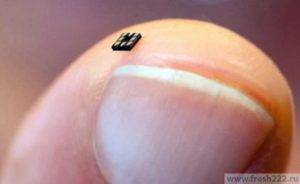
RFID and barcode technologies can connect a physical uniform to an electronic record. The identification method should be selected according to the facility’s workflow, garment processing method, required read range and budget.
Employee Identification
Staff can be identified using an existing employee badge, RFID card, dual-frequency credential or wristband. The system can display assigned uniforms or authorize a transaction.
Garment Identification
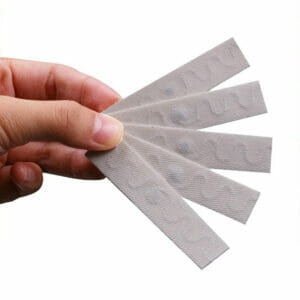
Washable RFID tags or barcodes can connect each garment to its type, size, department, assigned employee, storage location and current status.
Issue, Return and Inventory Records
Optional software can record when a garment was issued or returned, identify the associated employee or department and support faster inventory checks.
RFID is optional. Facilities that only need organized storage and automatic position search may use numbered conveyor locations without tagging every garment.
Healthcare Uniform Management Software
Uniform management software creates a searchable connection between employees, garments, departments, storage locations and transactions.
Depending on project requirements, software functions may include:
- Employee and department records
- Garment descriptions, sizes and assignments
- Storage position assignment
- Search by employee, garment number, badge or barcode
- Issue and return records
- Current garment status
- Damaged or unavailable status
- Transaction history and inventory reporting
- Manual conveyor control and automatic position commands
- Multiple storage-area management
The software is configured around the healthcare facility’s operating process rather than requiring every organization to follow the same workflow.
Healthcare Departments Supported
The system can manage scrubs, lab coats, uniforms and workwear for nursing, surgery, laboratories, radiology, pharmacy, housekeeping, dietary services, maintenance, engineering, security and transportation departments.
Uniforms may be organized by employee, department, role, garment type, size, color or access level. This allows several departments to share a centralized storage system while maintaining separate assignments and authorization rules.
Applications Beyond Hospitals
Healthcare uniform management systems can also be configured for senior care communities, assisted living facilities, skilled nursing facilities, outpatient clinics, medical laboratories, rehabilitation centers, dental facilities, pharmaceutical operations, emergency medical services and healthcare laundry providers.
Smaller organizations may use a simplified conveyor or smart cabinet solution, while larger campuses may require several storage zones, issue stations and centralized software.
Uniform Conveyors, Smart Cabinets or a Combined System?
| Solution | Best Use | Primary Benefit |
|---|---|---|
| Uniform Conveyor | Large quantities of hanging uniforms | High-density storage and centralized retrieval |
| Smart Cabinet | Controlled quantities of folded garments, PPE or selected items | Individual access and compartment-level control |
| Fixed Racks | Small collections and low transaction volume | Simple storage with limited automation |
| Combined System | Facilities managing different garment and supply categories | One workflow using several storage technologies |
A hospital may use uniform conveyors for high-volume hanging garments, smart cabinets for folded items or PPE and controlled return stations for used garments.
Benefits of Healthcare Uniform Management Automation
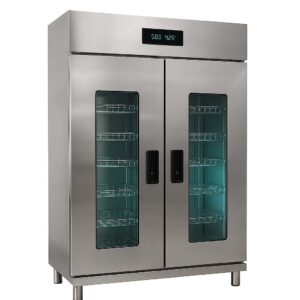
- Faster uniform retrieval: assigned storage positions move to the issue station.
- Reduced congestion: centralized retrieval improves traffic during shift changes.
- Better organization: uniforms can be arranged by employee, department, garment type or size.
- Clearer accountability: optional software records issue and return activity.
- More efficient room use: conveyor layouts reduce the need for multiple storage aisles.
- Improved inventory visibility: garments can be assigned a known status and location.
- Controlled access: employees can be limited to authorized garments or departments.
- Scalable design: modular equipment can support future expansion.
Planning a Healthcare Uniform Room
Healthcare uniform room design should begin with the operational process rather than selecting equipment first.
Important planning information includes:
- Number of employees and departments
- Approximate number and types of uniforms
- Pool-based or employee-assigned inventory
- Current issue, return and laundry workflow
- Daily transaction volume and peak shift times
- Room dimensions, ceiling height, doors and obstacles
- Required RFID, barcode, software and reporting functions
- Available electrical service
- Photographs, floor plans or a room sketch
Photographs, architectural drawings or a basic room sketch are useful for preliminary system planning.
Custom Layouts and Electrical Standards
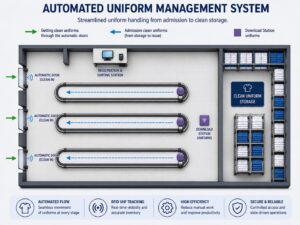
Uniform conveyors can be configured around the available room rather than forcing the facility to accept a fixed standard shape. Layouts may include straight, L-shaped, U-shaped, multi-level and custom track paths.
Motors and control components can be configured for the local electrical standard of the installation country. Available configurations may include 110–120 V, 208–240 V and 380–415 V systems, 50 or 60 Hz, with an appropriate single-phase or three-phase arrangement based on the approved design.
Fresh USA supplies modular systems with numbered components for straightforward assembly. Professional installation is available in the continental United States, and systems can be supplied worldwide with documentation and remote technical support.

Five-Year Conveyor Warranty
Fresh USA provides a five-year limited warranty on the conveyor structure and moving mechanical components, excluding the electric motor. Final warranty terms depend on the approved equipment configuration, operating conditions and project documentation.
Request a Healthcare Uniform Management Solution
Every medical organization has a different number of employees, garment types, departments, storage rooms and laundry procedures. The most effective system is designed around the actual operational problem.
To prepare a preliminary recommendation, please provide:
- Facility name and installation address
- Number of employees and approximate number of garments
- Types of uniforms or scrubs
- Current issue, return and laundry process
- Available room dimensions
- Desired identification method
- Required reports or software functions
- Photographs, floor plans or room drawings
Request a Healthcare Uniform Solution
Healthcare & Senior Care Solutions
Frequently Asked Questions
What is a healthcare uniform management system?
It is a coordinated system for storing, assigning, issuing, returning and tracking employee uniforms. It may combine uniform conveyors, employee identification, RFID or barcode tracking, software and laundry workflow management.
Can the system manage hospital scrubs?
Yes. Scrubs can be organized by employee, department, size, color or pool-based inventory. The appropriate workflow depends on how the hospital assigns and processes garments.
Is RFID required?
No. Uniforms can be managed using numbered storage positions, employee records or barcodes. RFID is optional and is useful where automatic identification, tracking or transaction history is required.
Can existing employee badges be used?
Possibly. Compatibility depends on the badge technology, frequency, data format and required software integration. Existing credentials must be evaluated before system design.
Can clean and returned uniforms be managed separately?
Yes. Issue and return points can be located separately, and software can assign different statuses to clean, issued, returned, unavailable or damaged garments.
Can the system connect to the laundry workflow?
Yes. Garment returns, laundry transfer, clean receipt, inspection and storage can be included in the workflow. The exact integration depends on the laundry process and available interfaces.
Can smart cabinets be used with uniform conveyors?
Yes. Conveyors can store large quantities of hanging garments, while smart cabinets can control folded garments, PPE or selected supplies.
Do you provide installation?
Professional installation is available in the continental United States. Equipment can also be supplied internationally with assembly documentation and remote support.