Do you need a coat check for your event, business or public venue? The answer depends on the weather, number of guests, event format, available space and how long visitors will remain inside.
A coat check may be unnecessary for a small summer gathering where guests carry only light jackets. It becomes much more valuable during winter events, formal dinners, weddings, performances, conferences and other occasions where coats, umbrellas and bags would otherwise remain on chairs, tables or walkways.
The right solution may be a simple unattended rack, a staffed coat check with numbered tickets or a permanent automated coat check system. This guide will help you decide which option fits your event or venue.
How to Organize a Coat Check Request a Custom Quote
Quick Answer: When Do You Need a Coat Check?
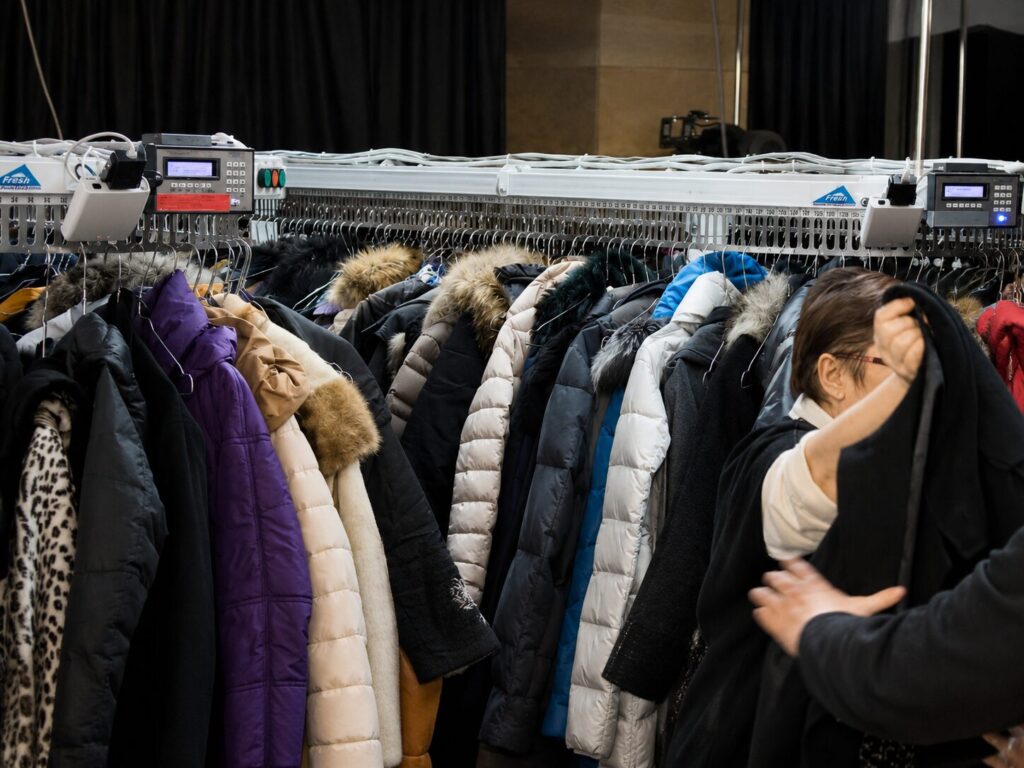
You should seriously consider providing a coat check when one or more of the following conditions apply:
- Guests are likely to arrive wearing heavy coats or several layers
- Rain, snow or cold weather is expected
- The event includes seated dining, dancing or extended standing
- Coats placed on chairs would reduce comfort or usable seating space
- The venue does not have secure guest lockers or personal storage
- Many guests will arrive or leave during the same short period
- The event is formal and requires a clean, organized appearance
- The venue operates repeatedly and needs a permanent storage process
A coat check is not only for luxury hotels or large theaters. It can improve guest comfort at weddings, private parties, corporate functions, restaurants, museums, nightclubs, fitness clubs and seasonal events.
Signs Your Event or Venue Needs a Coat Check
1. Cold or Wet Weather Is Expected
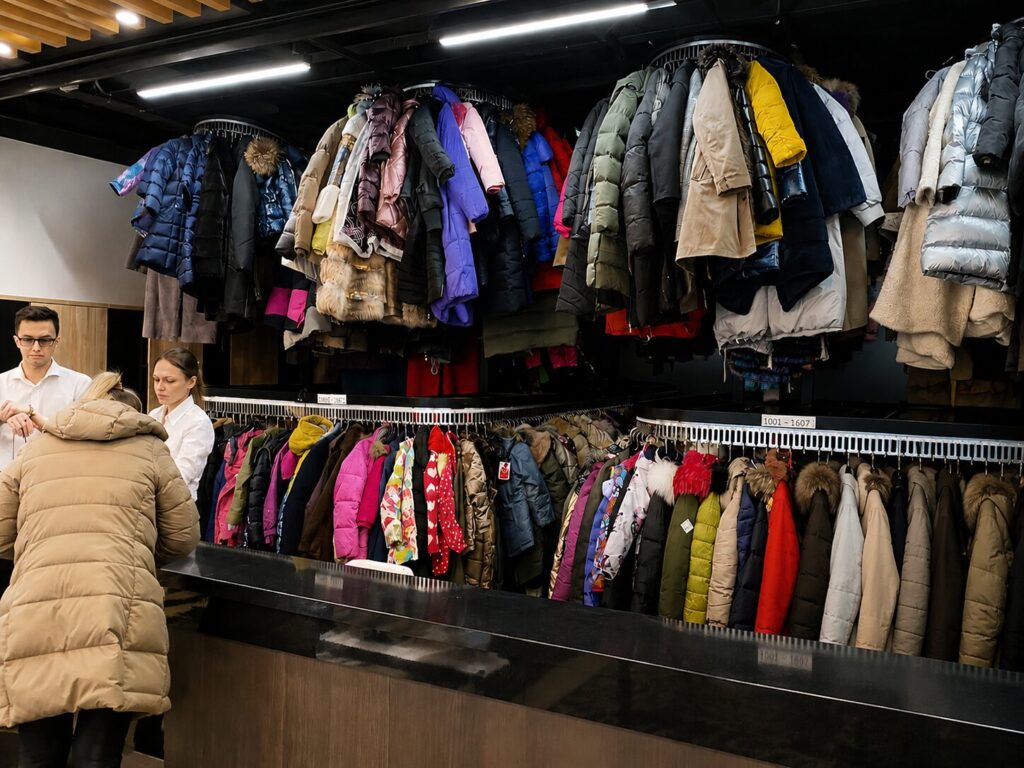
Weather is one of the strongest reasons to provide a coat check. Guests arriving during winter, rain or cold autumn and spring weather may bring heavy coats, umbrellas, scarves, hats and several layers of clothing.
Without a designated storage area, these items often end up on chairs, under tables or across the backs of seats. Wet umbrellas and snow-covered outerwear can also create additional housekeeping and floor-management problems.
Consider both the season and the local climate. A coat check may be needed for most of the year in a cold region but only during selected months in a warmer area.
2. Guests Will Remain for Several Hours
The longer an event lasts, the less practical it is for guests to hold or wear their outerwear. Coat storage is especially useful when visitors will be:
- Eating or drinking
- Dancing
- Walking through exhibits
- Attending a performance
- Participating in meetings
- Using fitness, spa or entertainment facilities
A guest may tolerate carrying a jacket during a short reception but not during a full evening program.
3. The Event Is Formal or Seated
Coats hanging over chairs can reduce seating space, interfere with table service and make a formal room appear cluttered. A designated coat check helps preserve the intended appearance of weddings, galas, banquets, award ceremonies and corporate functions.
It also allows guests to move around the venue without carrying bulky clothing, bags or umbrellas.
4. The Venue Has No Other Guest Storage
Some venues provide lockers, closets or garment racks inside private rooms. Others have no safe or organized place for personal outerwear.
Before deciding whether you need a coat check, confirm:
- Whether the venue already provides coat storage
- How many positions are available
- Whether the storage area is attended
- Whether guests can access it directly
- What items the venue allows
- Whether the service is included or charged separately
Do not assume that a room labeled “coat check” has enough capacity for your event. Verify the actual racks, hangers, service counter and working space.
5. The Event Has High Attendance
A small group may be able to use a simple garment rack. Larger events need more structured storage, clear numbering and controlled access.
Guest count alone does not determine the answer. Also consider:
- Expected percentage of guests wearing coats
- Season and weather
- Number of bags and umbrellas
- Average garment size
- Whether several events share the same entrance
- Available room and service-counter space
Plan for the maximum realistic demand rather than average attendance.
6. Guests Arrive or Leave at the Same Time
Many coat checks operate comfortably during most of an event but become overwhelmed at the end. Theaters, concerts, conferences, weddings and banquets often produce concentrated departure traffic.
If hundreds of guests request their coats within a short period, retrieval distance and storage organization become critical. A large storage room does not guarantee fast service when attendants must walk through long rows of fixed racks for every request.
7. The Venue Provides Coat Storage Regularly
A temporary rack may be enough for one private event. A hotel, casino, theater, museum, restaurant or entertainment venue that handles coats repeatedly may benefit from a permanent system.
A permanent coat check can provide:
- Consistent numbered storage positions
- A dedicated guest-service counter
- Defined staff procedures
- Better use of available room space
- Optional digital position search
- Optional RFID identification
- Potential integration with a garment conveyor
8. Controlled Storage Is Important
A staffed coat check may be appropriate when guests should not enter the storage area or remove garments without verification.
Controlled storage is particularly useful when:
- Many coats look similar
- The venue accepts bags or accessories
- Different events share the same building
- High-value outerwear is common
- The facility needs a documented retrieval process
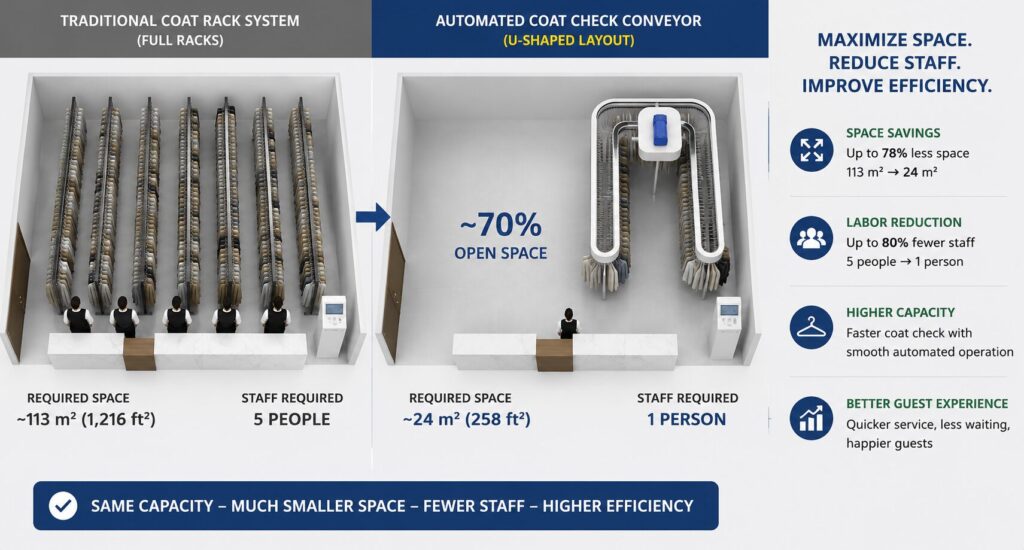
When You May Not Need a Staffed Coat Check
Not every gathering requires attendants and numbered tickets. A simple rack or guest closet may be sufficient when:

- The event is small
- The weather is warm
- Guests will bring only light jackets
- The event is brief
- Guests know one another
- The storage area remains visible and controlled
- There is enough seating and personal space
- The venue already provides lockers or closets
An unattended rack should still be positioned so that it does not block doors, emergency routes or main walkways. The organizer should also clearly define whether bags, valuables and loose personal items are accepted.
Do You Need a Coat Check for a Wedding?
A coat check is especially useful for winter weddings, rainy-day weddings and formal receptions. Guests should not have to carry heavy outerwear while holding drinks, taking photographs, dining or dancing.
Consider a wedding coat check when:
- The ceremony or reception takes place during cold weather
- Guests will move between outdoor and indoor locations
- The venue has limited room around tables
- Formal photographs are important
- Guests may bring umbrellas or garment bags
- The reception lasts several hours
- The venue does not provide built-in coat storage
For a small wedding, portable racks, hangers and paired tickets may be enough. A hotel or event venue that hosts weddings regularly may need a permanent coat room or conveyor-based storage system.
Do You Need a Coat Check for a Corporate Event?
Corporate meetings, conferences, trade shows, holiday parties and award events often bring together guests who do not know one another. A controlled coat check creates a clear location for outerwear and prevents coats and bags from spreading into meeting rooms, dining areas and exhibit spaces.
Important planning factors include:
- Total attendance
- Arrival schedule
- Transportation method
- Expected luggage or laptop bags
- Number of event sessions
- Whether guests can return to the coat check during the event
- How quickly everyone must leave afterward
For conferences with overlapping sessions, the storage system may need to support repeated check-in and retrieval throughout the day rather than one arrival and one departure period.
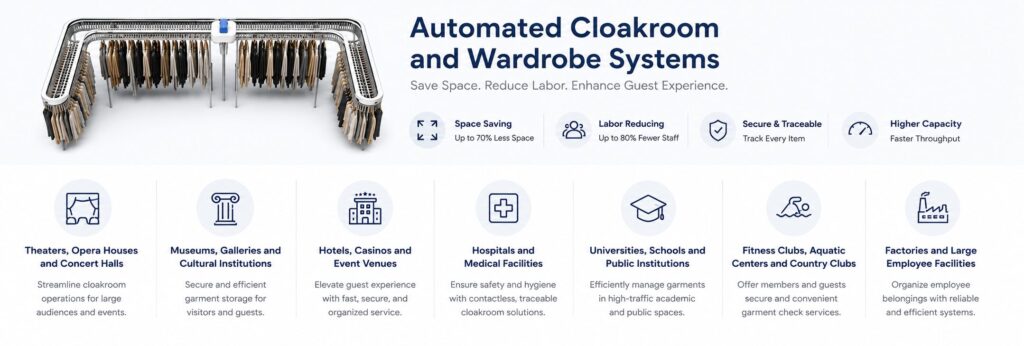
Where Coat Checks Are Most Useful
Hotels and Resorts
Hotels may need coat checks for weddings, conferences, banquets, restaurants, lounges, seasonal functions and other guest events. Several functions may operate at the same time, so separate number ranges or storage zones may be required.
Casinos
Casinos can receive visitors throughout the day while also experiencing concentrated traffic around shows, dining reservations and special events. A permanent system may need several service points and extended operating hours.
Theaters and Performing Arts Venues
Theaters typically receive guests gradually before a performance but face a strong retrieval peak when the show ends. Reducing attendant walking distance can be more important than simply adding additional racks.
Concert Venues and Nightclubs
Guests often do not want to carry coats while standing, dancing or moving through crowded areas. The coat check should be easy to find without interfering with ticket scanning, security screening or entry lines.
Museums and Cultural Institutions
Museums may accept coats, umbrellas, backpacks and other items that guests should not carry through galleries. Policies and storage areas should be clearly marked before visitors reach exhibit spaces.
Restaurants and Banquet Halls
Coat storage helps keep dining chairs, aisles and service areas clear. Compact rooms may need a storage solution that uses corners or vertical space more efficiently.
Fitness Clubs, Spas and Country Clubs
These facilities may already issue cards, key fobs or waterproof wristbands. The same type of reusable identifier can potentially be associated with a garment position when the operating workflow requires it.
Hospitals, Medical Centers and Public Buildings
Large facilities may need visitor coat storage during winter, public events, conferences or periods of high seasonal traffic. The system should remain accessible without obstructing reception or security operations.
What Can a Coat Check Accept?
Every event or venue should publish a clear acceptance policy. Common coat check items may include:
- Coats
- Jackets
- Scarves
- Hats
- Umbrellas
- Garment bags
- Selected handbags or backpacks
Do not automatically accept every item a guest presents. Large luggage, fragile objects, food, electronics, valuable items and open bags may require separate policies or storage equipment.
Loose accessories should not be placed on the floor or mixed among unrelated coats. Use labeled baskets, shelves, trays, umbrella holders, lockers or cabinets and connect each storage position with the guest’s identifier.
Coat Check Options: Which Type Do You Need?
Unattended Coat Rack
An unattended rack is the simplest option. It may work for small private groups, warm-weather events and locations where guests can see the storage area.
It provides convenience but does not create a controlled handoff or verification process.
Staffed Coat Check with Fixed Racks
An attendant receives garments, assigns numbered tickets and returns items to guests. This is a practical solution for temporary events and moderate-volume permanent venues.
The main limitation is walking and search time when racks extend across a large room.
Temporary or Mobile Event Coat Check
Portable racks, counters, barriers, signs and ticket systems can create a temporary coat check inside a ballroom, conference area or rented event venue.
The organizer must allow enough room for:
- Guest lines
- Attendant movement
- Racks and garment spacing
- Wet umbrellas
- Pickup verification
- Unexpected overflow
Permanent Coat Room
A permanent coat room is appropriate for venues that provide the service regularly. It can include fixed racks, numbered sections, a service counter, controlled doors, cameras and separate storage for small items.
Garment Conveyor System
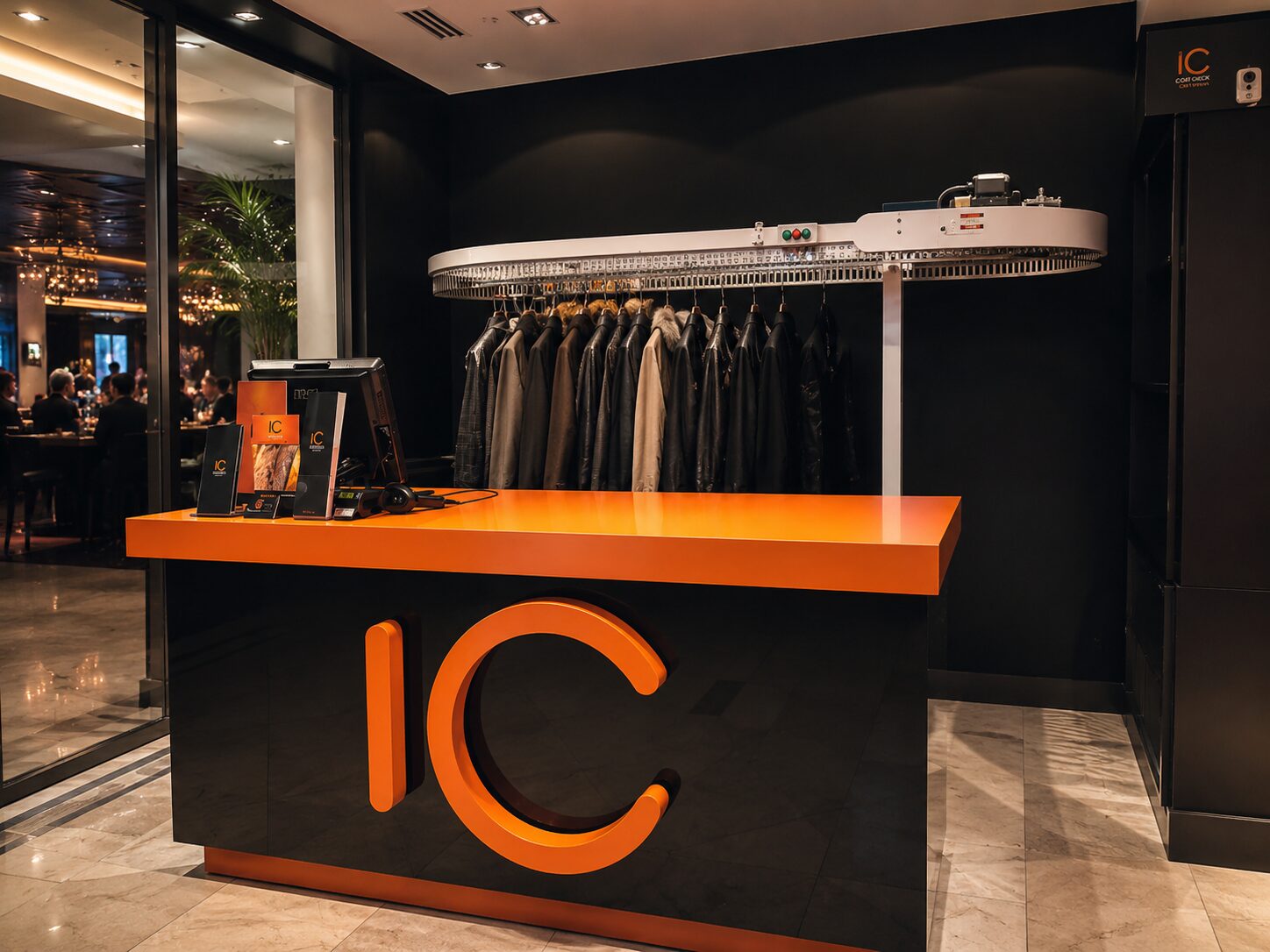
A powered garment conveyor moves hanging garments along a continuous track. Instead of requiring attendants to walk through the entire room, the required conveyor section can move to a defined service point.
Conveyors can be designed around walls, columns, corners, ceiling height and available service areas. Depending on the project, layouts may include straight sections, oval paths, custom turns, multiple levels or overhead storage.
Automated Coat Check or Cloakroom System
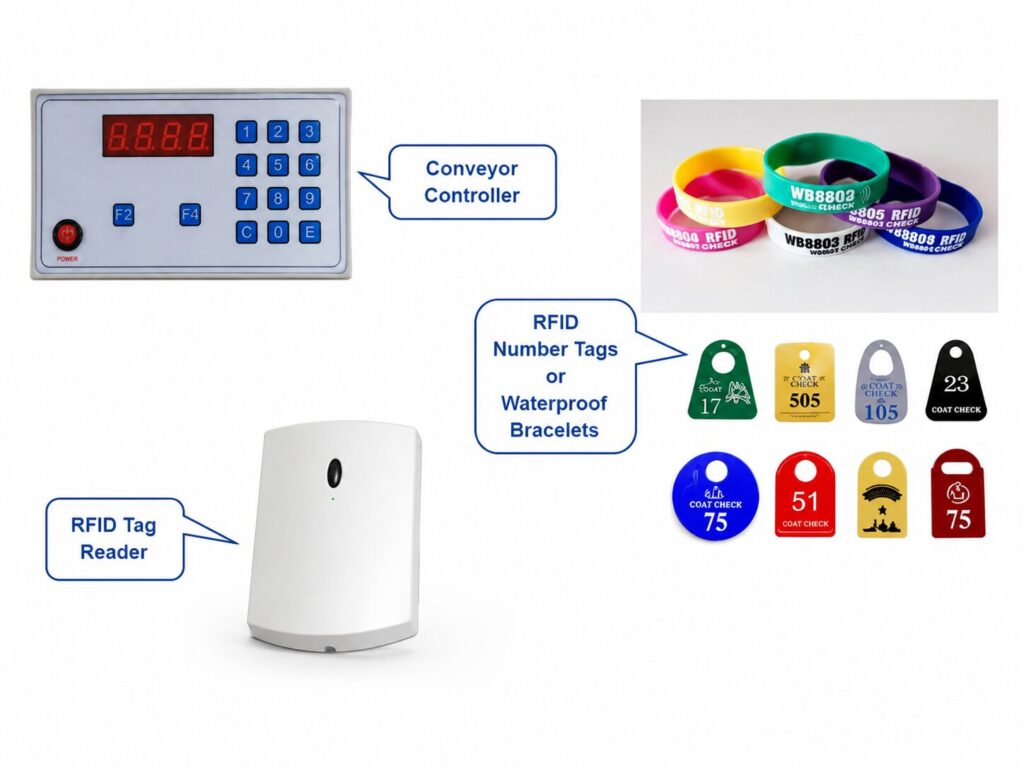
An automated system can add numbered position search, a staff terminal, RFID cards, waterproof wristbands, controlled doors or other identification methods.
Automation should match the actual workflow. RFID is optional and is not required for every coat check or garment conveyor.





When Does a Garment Conveyor Make Sense?
A coat check conveyor should be considered when:
- Attendants spend too much time walking between racks
- Long pickup lines occur regularly
- The storage room has an irregular layout
- Available ceiling height is not being used
- The venue needs more storage positions without expanding the room
- Several service counters share one garment-storage area
- The coat check operates frequently
- Numbered position search is required
- Future capacity expansion is expected
Learn more about automated coat check systems or review the broader range of automated cloakroom and wardrobe systems.
Does a Coat Check Need RFID?
No. A coat check can operate with traditional paper tickets, reusable numbered tokens or manual position entry.
RFID may be useful when:
- The venue already issues reusable guest cards or wristbands
- Paper tickets are frequently lost or damaged
- Attendants need faster position identification
- The venue wants a reusable identification process
- Several systems use the same guest credential
- Controlled pickup is part of the project
The identification method should be selected after defining the storage process, guest flow and security requirements.
How to Avoid Long Coat Check Lines
Providing a coat check is not enough. Poor placement or organization can create congestion near the entrance and again when guests leave.
To reduce delays:
- Place signs before guests reach the counter
- Keep check-in and pickup flows separate when possible
- Use large, logical position numbers
- Prepare for the busiest departure period
- Keep hangers and supplies within reach
- Use separate storage for loose items
- Assign clear staff roles
- Limit unnecessary walking
- Open additional service positions when required
- Test the workflow before the event
For detailed setup instructions, read How to Organize a Coat Check and Reduce Wait Times.
Questions to Ask Before Choosing a Coat Check
- What is the maximum number of guests?
- What weather and season should we plan for?
- How many guests are likely to bring coats?
- Will guests also bring bags, umbrellas or luggage?
- How concentrated are arrival and departure times?
- Does the venue already provide storage?
- How much floor and ceiling space is available?
- Will the coat check be temporary or permanent?
- How many attendants and service openings are available?
- Would numbered tickets be sufficient?
- Is digital search or RFID identification required?
- Should the system allow future expansion?
Information Needed for a Permanent Coat Check System
To prepare a custom system concept, provide:
- Installation address and facility type
- Room length, width and ceiling height
- Drawings, floor plans or clear photographs
- Locations of doors, counters and columns
- Maximum expected number of garments
- Average garment length and type
- Peak arrival and pickup volume
- Number of attendants and service points
- Preferred ticket, number or RFID workflow
- Installation and training requirements
- Future expansion plans
US Conveyor Dimensions EU Conveyor Dimensions
Download Project Questionnaire
Related Coat Check and Garment Storage Guides
How to Organize a Coat Check
Learn how to plan capacity, numbered storage, tickets, staffing, guest flow and procedures for lost tickets.
Automated Coat Check Systems
Explore powered coat check conveyors, automated position search, RFID options and custom layouts for high-volume venues.
Automated Cloakroom and Wardrobe Systems
Review broader cloakroom, wardrobe and garment-storage solutions for visitors, guests and employees.
Garment Conveyor Systems
Review powered garment conveyors and available equipment configurations for hanging clothes.
Frequently Asked Questions
Do you need a coat check at every event?
No. Small warm-weather events and short gatherings may need only a simple rack or no coat storage. A coat check becomes more useful when guests bring heavy outerwear, remain for several hours or arrive and leave in concentrated groups.
When is a coat check necessary?
A coat check is particularly useful during cold or wet weather, formal and seated events, high-attendance functions and events where coats would otherwise occupy chairs, tables or walkways.
Do I need a coat check for a wedding?
A coat check is recommended for winter or rainy weddings, formal receptions and venues with limited space around tables. A small wedding may use portable racks, while a venue that hosts weddings regularly may need a permanent system.
How many guests justify a coat check?
There is no single guest-count threshold. Consider the season, percentage of guests bringing coats, event duration, available storage and how many guests will arrive or leave at the same time.
What items can a coat check accept?
A coat check may accept coats, jackets, scarves, hats, umbrellas, garment bags and selected bags. The venue should clearly define which items are accepted and provide separate storage for loose accessories.
Can guests use an unattended coat rack?
Yes, an unattended rack may be sufficient for a small private group or low-volume event. It does not provide the controlled handoff, identification and verification available from a staffed coat check.
How can a venue reduce long coat check lines?
Use clear signs, logical position numbers, separate check-in and pickup flows, enough peak-period staff and a layout that minimizes walking between the counter and stored garments.
When should a venue use a garment conveyor?
A garment conveyor is worth considering when fixed racks require excessive walking, pickup lines occur regularly, floor space is limited or the venue needs a permanent high-capacity storage system.
Does an automated coat check require RFID?
No. Automated position search can use numbered positions or a staff terminal. RFID cards, tokens and wristbands are optional identification methods for projects that require them.
What information is needed for a custom coat check system?
Provide the installation location, room dimensions, ceiling height, photographs or drawings, garment capacity, peak guest volume, service-counter locations and preferred ticket or identification process.
Need a Permanent Coat Check Solution?
Fresh USA designs custom coat check conveyors and automated cloakroom systems around the available room, ceiling height, garment capacity and guest-service workflow. A project can range from a basic powered garment conveyor to automated position search, RFID identification and controlled pickup.
Request a Custom Coat Check Proposal Download Project Questionnaire